


Why TMJ Pain Worsens With Stress and How to Unclench Your Jaw
TMJ pain often feels worse during stressful periods, and there is a clear reason for that connection. When you feel tense, your body tightens the muscles around the jaw, face, and neck. This tightening leads to clenching and grinding, which strains the temporomandibular joint. Over time, that strain produces pain, clicking, and limited movement in the jaw. Many people clench without noticing, especially during sleep or while concentrating hard. The good news is that you can learn to relax these muscles and protect your jaw. Acupuncture offers a proven way to calm the nervous system and ease jaw tension. This guide explains the stress link and shows you practical ways to unclench your jaw and feel comfortable again.
How Stress Triggers TMJ Pain and Jaw Tension
Stress and TMJ pain are tightly connected through the nervous system and the muscles that control the jaw. The temporomandibular joint sits just in front of each ear and lets you chew, speak, and yawn. When stress hormones rise, the muscles that close the jaw contract more often and with more force. This constant tension is the main driver of stress related jaw pain. The masseter and temporalis muscles take the brunt of this load every day. Repeated clenching irritates the joint and the soft tissues around it. Understanding this cycle is the first step toward breaking it. The sections below break down how stress reaches your jaw and which symptoms to watch for.
The Stress Response Behind TMJ Pain and Jaw Tension
Your body responds to stress through a system known as the fight or flight response. When your brain senses pressure, it releases hormones like cortisol and adrenaline into the bloodstream. These hormones prepare your muscles for quick action by raising their tension. The jaw muscles are among the first to react because they are strong and easily activated. As a result, you may clench your teeth without making any conscious decision. This response made sense for our ancestors who faced sudden physical threats. Modern stress comes from work, traffic, and daily worry, yet the jaw still reacts the same ancient way. The muscles often stay tight long after the stressful moment has passed.
The sympathetic nervous system controls this stress reaction and keeps it running during busy days. When it stays active for hours, the jaw muscles rarely get a chance to fully relax. Blood flow to these tight muscles can drop, which leaves them sore and stiff. Waste products build up inside the strained tissue and add to the discomfort. This buildup creates the dull ache that many people feel along the jawline and temples. Poor sleep adds to the problem because nighttime clenching often goes unchecked. Each night of grinding leaves the joint more irritated the next morning. The cycle continues until the nervous system finally settles down.
Traditional Chinese Medicine views stress related jaw pain through the idea of blocked energy in the body. Practitioners describe emotional stress as a cause of stalled flow along the channels near the jaw and face. When this flow slows, tension and pain gather in the affected area. The liver system is closely tied to stress and the smooth movement of energy in this framework. Calming that system helps loosen the grip on the jaw muscles. Acupuncture aims to restore steady flow and reduce the tightness that stress creates. This approach treats the source of the tension rather than only the surface symptom. You can explore our TMJ treatment page to see how we address the root of jaw pain.

How Stress Causes Jaw Clenching and TMJ Pain Through the Day
Daytime clenching often happens during moments of focus or frustration. You might press your teeth together while answering emails, driving, or reading bad news. These small acts of clenching add up across many hours of the day. The masseter muscle, which closes the jaw, is one of the strongest muscles in the body for its size. When it contracts again and again, it places heavy pressure on the temporomandibular joint. The disc that cushions the bones can shift or wear down under this load. That shifting often produces the clicking or popping sound people notice when they open their mouths. Without regular breaks, the muscle never resets to a relaxed resting position.
Nighttime clenching, known as bruxism, can be even more damaging because you cannot control it. During sleep, the brain still processes the stress of the day. This processing can trigger grinding that lasts for long stretches of the night. The force generated during sleep clenching is often greater than anything you produce while awake. People who grind at night frequently wake with a sore jaw, headaches, or sensitive teeth. A bed partner may hear the grinding before the person ever feels symptoms. Worn enamel and flattened chewing surfaces are common signs that a dentist will spot. This ongoing pressure keeps the joint inflamed and tender for weeks at a time.
Posture plays a quiet but important role in how stress reaches the jaw. Hours spent looking down at a phone or hunching over a desk strain the neck and shoulders. This strain pulls on the muscles that connect to the jaw and the base of the skull. A forward head position changes how the jaw rests and how the teeth meet. Over time, this misalignment increases the load on the temporomandibular joint. Tension headaches often appear alongside this kind of jaw and neck strain. Many people are surprised to learn that their daily desk habits feed their jaw pain. Correcting posture is one practical step toward easing the cycle of clenching.
Common TMJ Pain Symptoms Linked to Stress and Jaw Tension
Jaw pain is the most obvious symptom, and it usually centers near the joint in front of the ear. The pain may feel dull and constant or sharp when you chew tough foods. Many people notice clear tenderness when they press on the cheek muscles. Opening the mouth wide can become difficult or even painful during a flare. Some report that the jaw locks briefly in an open or closed position. Clicking and popping sounds often accompany movement of the joint. These sounds happen when the cushioning disc moves out of its normal place. Chewing on one side to avoid pain can make the imbalance even worse.
Headaches are a frequent companion to stress related TMJ pain. The temporalis muscle runs along the side of the head and tightens during clenching. When this muscle stays tense, it can produce a steady ache across the temples. Many people mistake these for ordinary tension headaches and treat only the head. Ear symptoms can also appear because the joint sits so close to the ear canal. People describe fullness, ringing, or pressure that no ear infection explains. Dizziness and a sense of imbalance sometimes follow severe jaw tension. Addressing the jaw often relieves these related symptoms at the same time.
Facial fatigue is a subtle symptom that many people overlook. The muscles around the mouth and cheeks can feel tired after a day of clenching. This fatigue sometimes shows up as a general tightness across the lower face. Limited range of motion is another sign worth watching for closely. A healthy jaw should open wide enough to fit several fingers between the teeth. When that range shrinks, the joint and muscles are likely under strain. Sensitivity in the teeth can also develop from the constant grinding pressure. Tracking these symptoms helps you and your practitioner choose the right treatment plan.
How to Unclench Your Jaw and Ease TMJ Pain Naturally
You can take real steps to unclench your jaw and reduce TMJ pain without harsh measures. The goal is to calm the nervous system, release tight muscles, and protect the joint. Small daily habits make a big difference when you practice them consistently. Hands on therapies and acupuncture support these habits and speed up relief. Traditional Chinese Medicine offers a complete framework for treating the root of the tension. The sections below cover simple self care, the role of acupuncture, and the broader TCM approach. Each method works better when you combine it with the others. Together they help break the clench and pain cycle for good.
Daily Habits to Unclench Your Jaw and Reduce TMJ Pain
Start by becoming aware of your resting jaw position throughout the day. In a relaxed mouth, the teeth should sit slightly apart and the lips closed gently. The tongue rests on the roof of the mouth behind the front teeth. Check this position often, especially during stressful tasks at work. A sticky note on your computer or a phone reminder can prompt these checks. Each time you notice clenching, take a slow breath and let the jaw drop. This simple habit retrains the muscles to stay loose. Over a few weeks, the relaxed position starts to feel natural again.
Warm compresses offer fast comfort for a sore and tight jaw. A warm, damp cloth held against the cheek helps relax the muscles and boost blood flow. Apply it for about ten to fifteen minutes when the jaw feels stiff. Gentle jaw stretches can follow the warm compress for added relief. Slowly open and close the mouth, then move the jaw side to side within a comfortable range. Avoid forcing the movement or pushing into pain. These stretches keep the joint mobile and the muscles supple. Done daily, they help reduce stiffness and protect your range of motion.
Diet and stress management round out a strong daily routine. Soft foods give the jaw a rest during painful flares and reduce strain on the joint. Cut tough meats, hard candy, and chewy snacks into smaller pieces or skip them for a while. Limiting caffeine can calm the nervous system and reduce the urge to clench. Deep breathing, gentle exercise, and regular sleep all lower your overall stress levels. Mindfulness practices help you notice tension before it settles into the jaw. Reducing screen time before bed supports deeper, calmer sleep. These steps work hand in hand to keep your jaw relaxed.

How Acupuncture Helps You Unclench Your Jaw and Relieve TMJ Pain
Acupuncture treats stress related jaw pain by working on the muscles and the nervous system at once. A trained practitioner places thin, sterile needles at specific points on the face, jaw, and body. Points near the joint help release the tight masseter and temporalis muscles directly. Other points farther away calm the stress response that drives the clenching. Research shows that acupuncture can stimulate the release of the body’s natural pain relieving chemicals. It also encourages blood flow to tense tissue, which speeds healing. Many patients feel their jaw soften during the very first session. This blend of local and whole body effects makes acupuncture well suited to TMJ pain.
Trigger point release is a key part of acupuncture for jaw tension. Tight knots in the chewing muscles often refer pain to the teeth, ear, and temple. Inserting a fine needle into these knots prompts them to release and relax. As the knot lets go, the dull ache and pressure often ease quickly. The treatment also helps reset the muscle so it stops holding so much tension. Sessions are gentle, and most patients find the experience calming rather than painful. A typical plan involves a series of visits spaced over several weeks. Want lasting relief from jaw tension? Click here for our acupuncture care.
Acupuncture also supports better sleep, which matters for anyone who grinds at night. By calming the sympathetic nervous system, treatment helps the body settle into deeper rest. Deeper rest reduces the nighttime clenching that damages the joint and teeth. Patients often report fewer morning headaches after just a few sessions. The treatment can be paired with cupping or gentle massage for added muscle release. These hands on therapies loosen the broader neck and shoulder tension that feeds jaw pain. A practitioner will tailor the plan to your specific pattern of symptoms. This personalized approach is one reason acupuncture works so well for TMJ pain.
How Traditional Chinese Medicine Treats TMJ Pain and Jaw Clenching
Traditional Chinese Medicine looks at TMJ pain as a sign of imbalance rather than an isolated problem. Practitioners examine the whole person, including sleep, digestion, mood, and stress levels. They often link clenching to stalled liver energy, which rises during periods of frustration. This stagnation creates tension that gathers in the jaw, head, and neck. The treatment plan aims to move that stuck energy and restore smooth flow. Calming the mind is just as important as relaxing the muscles in this view. By treating the root pattern, the approach addresses why the clenching started. This focus on the source helps prevent the pain from returning.
Herbal medicine often supports acupuncture in a complete TCM treatment plan. Specific herbal formulas help calm the nervous system and ease muscle tension from within. A practitioner selects herbs based on your unique pattern and symptoms. Some formulas focus on soothing stress, while others target pain and stiffness. These remedies work gradually to bring the body back into balance. Herbs are never a one size fits all solution in this tradition. The right combination is matched carefully to each patient. Used together with acupuncture, herbs can deepen and extend the relief you feel.
Tui na massage and cupping add another layer to TCM care for the jaw. Tui na uses targeted pressure and movement to release tight muscles and improve circulation. Practitioners often work the jaw, neck, and shoulders to ease the full chain of tension. Cupping lifts the tissue gently and draws fresh blood to tired muscles. Both methods complement acupuncture and self care for stronger results. A complete plan may combine several of these tools across a series of visits. This layered approach treats the muscles, the joint, and the stress all at once. The result is lasting relief rather than a brief pause in symptoms.
Why You Should Treat Stress Related TMJ Pain With Acupuncture
Stress related TMJ pain rarely resolves on its own when the source of tension stays in place. Acupuncture treats both the tight jaw muscles and the stress that keeps them clenched. This dual action makes it a smart choice for lasting relief. Professional care also helps you avoid the joint damage that years of grinding can cause. The sections below explain when to seek help, what to expect, and why patients trust our clinic. Taking action early protects your jaw and your quality of life.
When to Seek Acupuncture for Stress Related TMJ Pain
Mild jaw tension that comes and goes may settle with simple self care at home. Persistent pain that lasts more than a couple of weeks is a clear sign to seek help. Trouble opening your mouth or a jaw that locks deserves prompt attention. Frequent headaches and ear pressure linked to clenching also warrant a professional opinion. Waiting too long allows the joint to suffer more wear and inflammation. Early treatment is usually faster and more effective than care that starts after months of pain.
Stress that you cannot seem to shake is another reason to consider acupuncture. When daily pressure keeps your jaw tight, treating the stress directly often brings relief. Acupuncture calms the nervous system in a way that simple rest cannot match. People who grind their teeth at night benefit from care that targets the root tension. Treating the stress early helps stop the pain from spreading to the neck and shoulders. Want help with the stress behind your jaw pain? Click here for our anxiety care.
Your overall health can guide the timing of treatment as well. If jaw pain disrupts your sleep, eating, or work, do not wait to seek care. Pain that drags down your mood or daily focus is worth addressing quickly. A consultation helps you understand the cause and the best path forward. There is no need to live with constant clenching and discomfort. The sooner you start, the sooner your jaw can begin to relax.
What to Expect From Acupuncture for Stress Related TMJ Pain
Your first visit begins with a careful conversation about your symptoms and stress levels. The practitioner asks about your sleep, diet, and daily habits that may affect the jaw. A physical check of the jaw, neck, and shoulders helps map the source of tension. This thorough start lets the practitioner build a plan made for you. Expect questions that reach beyond the jaw, since stress affects the whole body. The goal is to understand the full picture before any needles are placed.
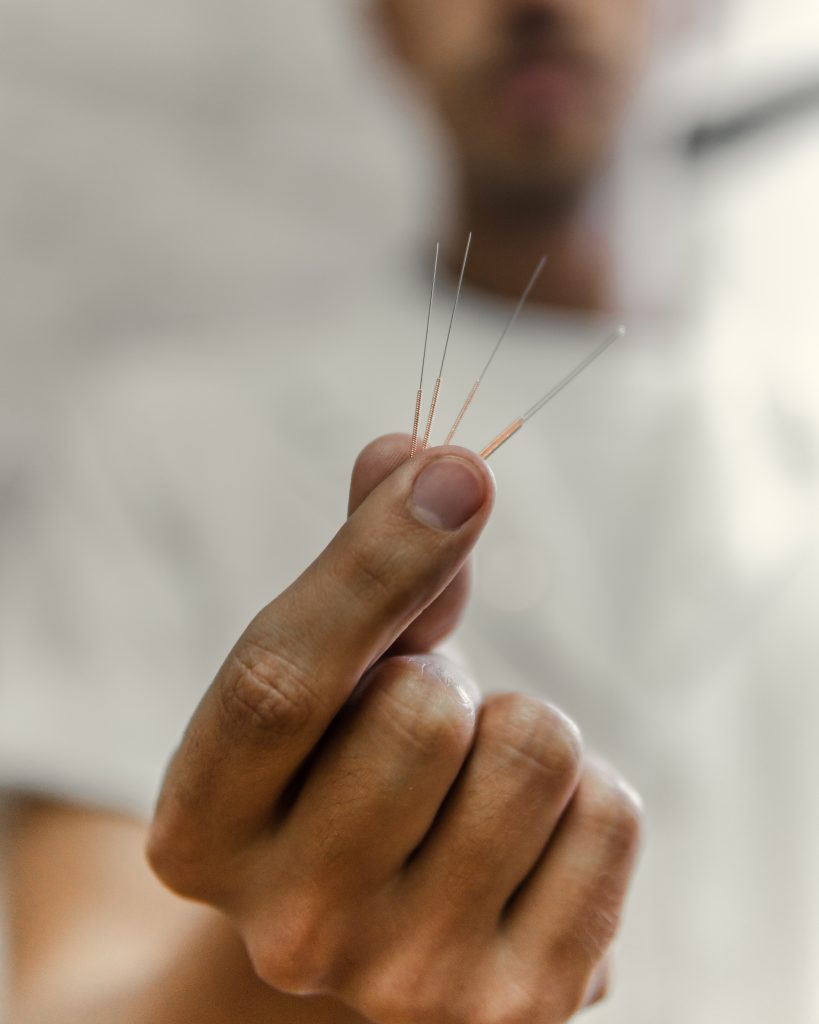
During treatment, thin needles are placed at points on the face, jaw, and body. Most people feel only a small pinch or a mild heaviness at each point. The needles stay in place while you rest quietly for a short while. Many patients find the session deeply relaxing and even drift toward sleep. The jaw often feels looser by the end of the visit. Any soreness afterward is usually mild and fades within a day.
A full course of care usually spans several sessions over a few weeks. The practitioner adjusts the plan as your jaw responds to treatment. Cupping, tui na, or herbal support may be added when it helps. You will also receive guidance on home care to extend the results. Steady progress is the goal rather than a single quick fix. By the end of the plan, most patients feel real and lasting relief.
Why Choose Weng’s Acupuncture for Stress Related TMJ Pain
Weng’s Acupuncture brings three generations of Traditional Chinese Medicine knowledge to every visit. Our practitioners treat the whole person, not just the painful jaw. We combine acupuncture, herbal medicine, and hands on therapies for complete care. Patients across Spring Valley and the greater San Diego area trust our experience. Our holistic approach aims to bring the mind, body, and spirit into harmony. This depth of skill sets our clinic apart for stress related jaw pain.
We take time to understand each patient before designing a treatment plan. Your goals, symptoms, and lifestyle all shape the care you receive. This personal attention helps us target the true source of your clenching. We use natural remedies rooted in centuries of proven practice. Our calm and welcoming clinic helps you relax from the moment you arrive. That comfort supports the very stress relief your jaw needs.
Lasting relief from TMJ pain is within reach when you treat the root cause. Our team is ready to help you unclench your jaw and feel like yourself again. We welcome new patients and answer questions with care and honesty. Natural, proven methods guide every plan we create. Call Weng’s Acupuncture today at (619) 469-6327 to schedule your visit. Let three generations of experience guide your path to a relaxed, pain free jaw.