


Why Joint Pain Returns Every Autumn and How to Stop the Cycle
Every year, the same thing happens. The air cools, the mornings turn damp, and knees, hips, and shoulders that felt fine in August start aching again. Many people assume this is simply what aging feels like, so they wait it out and hope spring brings relief. Autumn joint pain follows a pattern, though, and patterns can be interrupted. Traditional Chinese Medicine has treated seasonal joint pain for centuries, and modern research continues to support acupuncture as a tool for chronic musculoskeletal pain. Understanding why your joints flare when the season turns is the first step toward breaking the cycle. The second step is treating the cause instead of chasing the symptom.
What Causes Autumn Joint Pain to Return Every Year
Autumn joint pain is rarely one problem. It is usually three or four smaller changes arriving at the same time, each one small enough to ignore on its own. Air pressure drops ahead of every cool front. Temperatures fall and humidity rises in the early morning. Daily movement quietly decreases as daylight shortens. Meanwhile, the joint itself has been carrying wear, inflammation, or old injury all along, waiting for a reason to speak up. Sorting out which factor matters most in your case is what makes treatment effective instead of generic.
How Falling Barometric Pressure Triggers Autumn Joint Pain
Barometric pressure is the weight of the air pressing on your body at any given moment. When a cool front moves through San Diego County in October, that pressure drops before the weather visibly changes. The tissue inside and around a joint contains fluid, gas, and nerve endings that respond to pressure differences. Lower outside pressure allows those tissues to expand slightly. In a healthy joint, the change goes unnoticed. In a joint already carrying inflammation, scar tissue, or worn cartilage, that small expansion presses on nerves that are already irritated. This is why some people insist they can feel rain coming a full day before it arrives.
Research on weather and joint pain is genuinely mixed. Some large studies find a measurable link between pressure drops and reported pain; others find no clear connection at all. What is not in dispute is that a great many patients report the same experience year after year, in the same months, in the same joints. Clinical experience counts for something even when the data argues with itself. From a Chinese medicine perspective, the mechanism matters less than the pattern. If your knees swell and ache before every storm, your body is telling you something useful about how it handles change. That information helps guide treatment.
The practical takeaway is that pressure sensitivity is a signal, not a sentence. Joints that react to weather are usually joints that already have limited circulation, restricted movement, or lingering inflammation. Improving those underlying conditions tends to reduce how loudly the joint complains when the barometer falls. Acupuncture works directly on local circulation and nerve signaling at the joint. Patients who begin care in early autumn often report that the storms still come, but the ache no longer arrives with them. That is the real goal: not controlling the weather, but changing how your body answers it.
How Cold and Damp Weather Feeds Autumn Joint Pain
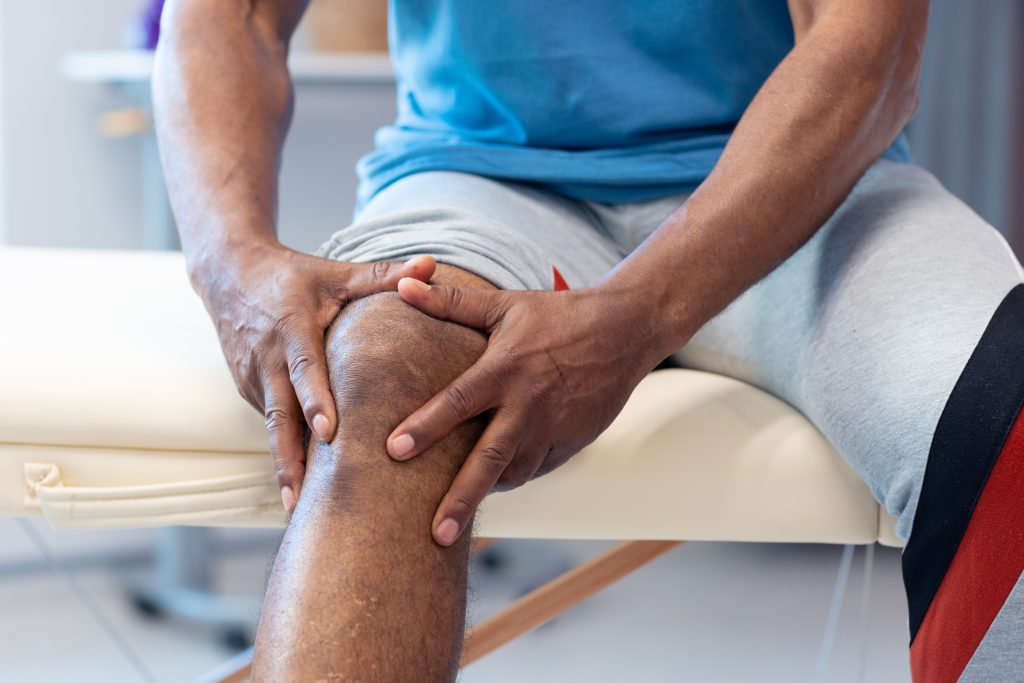
Cold does something simple and predictable to tissue. It constricts. Blood vessels narrow, muscles tighten, and synovial fluid, the lubricant inside your joints, becomes thicker and slower to move. A stiff joint moving through thick fluid grinds more than a warm joint moving through thin fluid. Add the damp coastal mornings common in Spring Valley, Bonita, and Chula Vista, and the effect compounds. Damp air pulls heat from the skin faster than dry air at the same temperature. Your body responds by drawing circulation toward the core and away from hands, feet, knees, and elbows. Those are exactly the joints that ache first every fall.
Chinese medicine described this pattern long before anyone measured the thickness of joint fluid. The classical term is Bi syndrome, which translates roughly as painful obstruction. Practitioners categorize it by what drives the obstruction. Wind Bi moves from joint to joint and changes location week to week. Cold Bi is sharp and fixed, clearly worse in cold weather, and it eases with heat and blankets. Damp Bi feels heavy, swollen, and sluggish, and it worsens on humid or rainy days. Most autumn cases show a blend of all three. Identifying the dominant factor tells your acupuncturist which points to use and which herbs to consider.
This is where seasonal timing becomes practical rather than poetic. Autumn belongs to the Metal element and the Lung system in Chinese medicine, a season of contraction and drawing inward. The body naturally shifts resources toward the center as daylight shortens. Joints at the periphery receive less. Treatment during this window focuses on keeping circulation open to the limbs while the rest of the body pulls in. Warming techniques such as moxibustion, cupping, and specific point combinations counter that seasonal pull. Starting before the coldest weeks arrive gives your body time to adjust instead of react.
How Reduced Movement and Less Sunlight Worsen Autumn Joint Pain
Movement is what feeds a joint. Cartilage has no direct blood supply; it receives nutrients through the pressure changes created when you walk, bend, and load the joint. Sit still for a season and cartilage is quietly starved. Autumn schedules encourage exactly that. Evening walks end sooner because the sun sets sooner, weekend hikes get skipped, and the yard work that kept you moving all summer wraps up. Within a few weeks, the joint has less lubrication, weaker supporting muscle, and tighter surrounding tissue. The pain that follows feels like a sudden flare, but it built slowly.
Sunlight matters too, in a way most people underestimate. Shorter days mean less skin exposure, and vitamin D levels tend to drift downward through fall and winter even in Southern California. Low vitamin D is associated with muscle weakness and diffuse musculoskeletal aching. It is not the whole story, and correcting it alone rarely resolves joint pain. It is one more factor stacking onto an already loaded joint. A simple blood test through your primary care provider can tell you where you stand. Ask about it before assuming a supplement is necessary.
Sleep and mood belong in this conversation as well. Pain disrupts sleep, poor sleep lowers pain tolerance, and lower pain tolerance makes the same joint feel worse the next morning. Shorter daylight hours nudge many people toward lower mood and less activity, which tightens the loop further. Breaking any single link in that chain tends to loosen the others. Better sleep reduces perceived pain; less pain allows more movement; more movement improves joint nutrition. Acupuncture is useful here partly because it addresses sleep, stress, and pain within the same visit. Living with aching knees, hips, or shoulders that flare with the season? Click here to learn how we treat joint and limb pain.
How Acupuncture and Chinese Medicine Stop the Autumn Joint Pain Cycle
Pain medication interrupts the signal. Chinese medicine works on the conditions that generate the signal in the first place. That distinction explains why seasonal joint pain so often returns on schedule despite a cabinet full of NSAIDs. A complete treatment plan usually combines several tools rather than relying on one. Acupuncture restores circulation and calms overactive nerve signaling at the joint. Herbal formulas support the deeper deficiencies that let cold and damp settle in year after year. Manual therapies release the tight tissue holding the joint in a restricted position.
How Acupuncture Treats Autumn Joint Pain at Its Source
Acupuncture needles are thin, roughly the width of a human hair, and most patients feel a dull heaviness rather than sharpness. Placed at specific points around and away from the affected joint, they prompt several measurable responses. Local blood flow increases, bringing oxygen and nutrients into tissue that has been running short of both. The nervous system releases endorphins and modulates how pain signals travel to the brain. Muscle guarding around the joint begins to release, which restores a little range of motion. That extra motion allows the joint to feed itself again. The effects build across a series of visits rather than arriving all at once.
The evidence base here is stronger than many people expect. A large analysis published in 2018 pooled individual patient data from nearly twenty one thousand people across dozens of high quality trials. It found acupuncture more effective than both sham treatment and usual care for chronic pain conditions, including osteoarthritis, with benefits that largely persisted over the following twelve months. That persistence is the important part. It suggests acupuncture is doing something beyond a temporary distraction from discomfort. For seasonal joint pain, lasting change is the entire point.
Treatment is tailored, not standardized. Two patients with the same knee diagnosis may receive very different point prescriptions based on their pattern. A patient with sharp, fixed pain that eases with a heating pad gets warming techniques and moxibustion. A patient with heavy, swollen joints that worsen on rainy mornings gets points that resolve dampness. Someone with pain that migrates between shoulder and wrist gets a different approach entirely. Most people with seasonal flares start with one or two visits per week for four to six weeks, then taper to maintenance care. Ready to address the pattern instead of the flare? Click here to learn more about our acupuncture services.
How Chinese Herbal Medicine Supports Lasting Autumn Joint Pain Relief
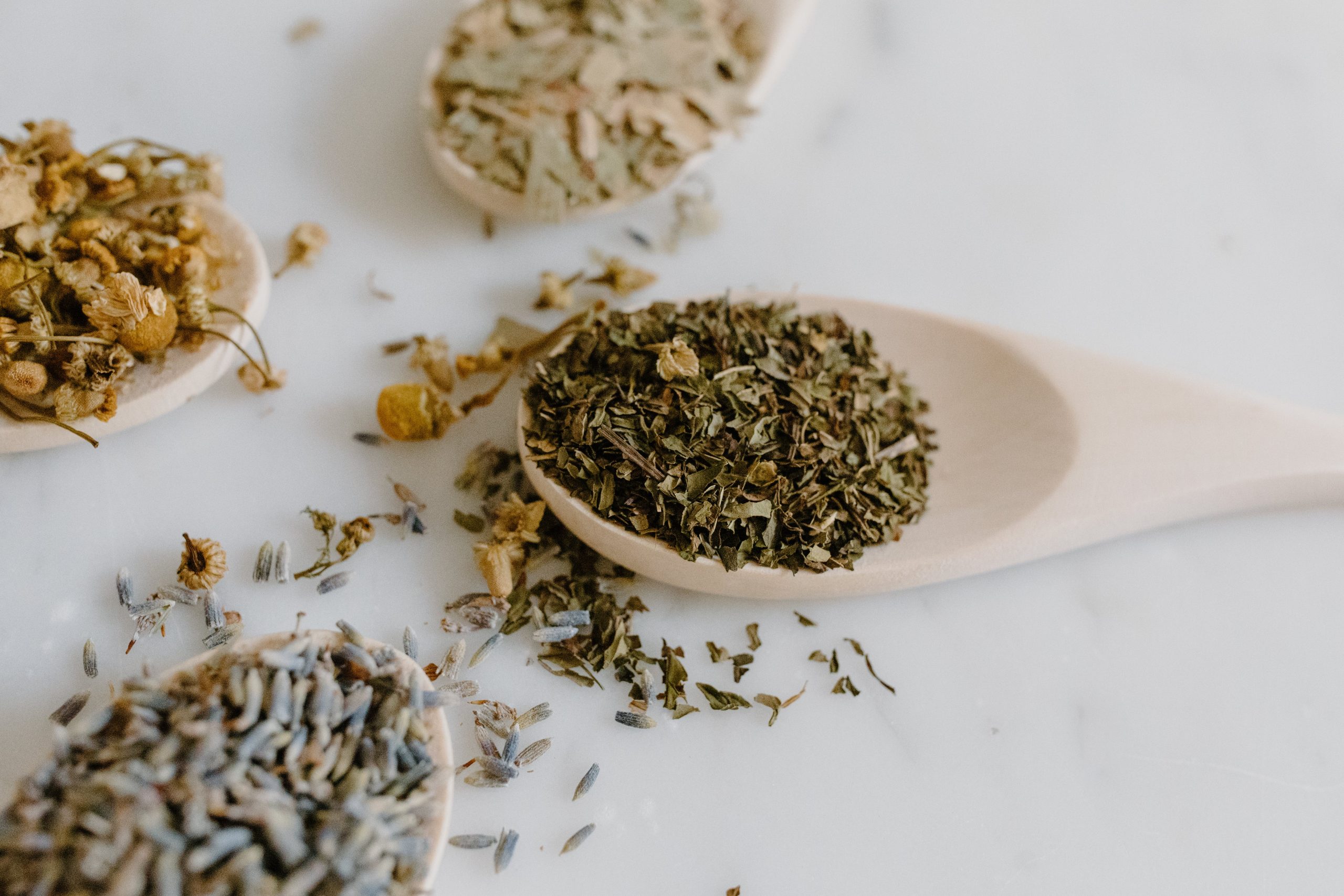
Herbal medicine handles what needles alone cannot reach easily. Acupuncture works powerfully on circulation and pain signaling in the moment. Herbs work continuously between visits, supporting the underlying constitution that allows cold and damp to take hold each fall. Classical formulas for Bi syndrome have been refined across many centuries of clinical use. Some warm the channels and disperse cold. Others drain dampness or invigorate blood in a stagnant joint. Formulas that support the Kidney and Liver systems are common for older patients, since those systems govern bone and sinew in Chinese medical theory.
A well written formula is customized and adjusted over time. Your practitioner selects a base formula matching your pattern, then modifies the individual herbs based on your symptoms, digestion, sleep, and response to earlier doses. Granules dissolved in hot water are common, and pills and capsules are also available. Taste varies, and honest expectation setting helps; some formulas are pleasant and some are not. Most patients notice shifts within two to three weeks. The formula changes as you change, which is why regular check ins matter.
Safety deserves clear attention. Chinese herbs are medicine, and they interact with pharmaceuticals in ways that require professional oversight. Several common herbs affect blood clotting and should be managed carefully alongside blood thinners. Others influence blood sugar or blood pressure. Always tell your practitioner every medication and supplement you take, and tell your physician you are taking herbs. Working with a licensed herbalist who sources from tested suppliers is the difference between a therapy and a risk. Click here to learn more about our herbal medicine services.
How Cupping and Tui Na Ease Stiff Joints During Autumn
Cupping uses suction to lift skin and fascia away from the muscle beneath. That lift decompresses tissue that has been squeezed and tight, and it draws fresh blood into the area. For joints stiffened by cold weather, the effect is immediate and noticeable. Shoulders loosen, low backs release, and knees regain a few degrees of bend. The circular marks that sometimes appear are not bruises from trauma; they reflect stagnant blood being drawn toward the surface. They fade within a few days and are painless. Many patients describe cupping as their favorite part of a session.
Tui Na is Chinese manual therapy, and it is more clinical than a relaxation massage. Practitioners use pressing, kneading, rolling, and joint mobilization techniques directed at specific channels and problem areas. For an autumn knee flare, that might mean releasing the quadriceps and calf muscles that pull the joint out of alignment. For a stiff neck, it might mean working the upper back and shoulder girdle before touching the neck itself. The work is targeted at function, not just comfort. Sessions often combine Tui Na with acupuncture for a stronger result.
These therapies are strongest as part of a plan, not as isolated treatments. Cupping opens the tissue; acupuncture restores signaling and circulation; Tui Na retrains the movement pattern; herbs hold the progress between visits. Layering them shortens the time to meaningful relief. Home habits matter too, and simple ones work best. Keep the joints covered on cold mornings, move gently every day rather than intensely twice a week, and apply heat rather than ice for cold pattern stiffness. Small consistent actions protect the gains made in the treatment room.
Why You Should Treat Autumn Joint Pain Before Winter Sets In
Waiting is the most common mistake with seasonal joint pain. Most people book an appointment in January, after months of stiffness have already tightened the surrounding tissue and reduced their activity. Treating an established flare takes longer than heading one off. Early autumn is the window where a shorter course of care produces the biggest difference. The weather has begun to turn, but the deepest cold has not arrived yet. Acting now means walking into winter with open circulation instead of fighting to reopen it later.
The Best Time to Begin Treatment for Autumn Joint Pain
September and October are the ideal months to start care for seasonal joint pain. Your body is still carrying summer circulation and mobility, which gives treatment a strong foundation to build on. Beginning now allows for a full series of visits before the coldest, dampest stretch of the year. Patients who start early consistently need fewer total sessions than those who wait for a crisis. The pattern gets interrupted before it fully sets.
There is a second reason timing matters. Chinese medicine treats each season as a preparation for the next one. Work done in autumn strengthens the body’s ability to handle winter, much like maintenance done before a long trip. Points and formulas chosen this month support both immediate pain and seasonal resilience. That dual purpose is one of the real strengths of this system of medicine.
Do not wait for pain to become constant before acting. Intermittent morning stiffness that resolves by noon is the easiest presentation to treat. Daily pain that limits your walking is harder and takes longer. If your joints have started talking to you in the last few weeks, that is the signal. Curious what else responds well to Chinese medicine? Click here to see the full list of conditions we treat.
What to Expect at Your First Visit for Autumn Joint Pain
Your first visit begins with a thorough intake, and it covers more ground than most people anticipate. We ask about the pain itself, of course, but also about sleep, digestion, energy, temperature preferences, and how symptoms change with weather. We examine your tongue and take your pulse at both wrists, two diagnostic tools that reveal patterns a symptom list alone will miss. This detail is what allows treatment to be specific to you.
Treatment usually follows in the same appointment. Needles stay in place for roughly twenty to thirty minutes while you rest comfortably. Many patients fall asleep. Cupping, Tui Na, or other modalities may be added depending on your presentation and how your tissue responds.
Before you leave, you will get a clear plan. That includes an expected number of visits, what improvement should look like along the way, and practical guidance to follow at home. We adjust as your body responds rather than following a rigid script. Questions are welcome at every stage, and clear answers are part of the care.
Why Choose Weng’s Acupuncture for Autumn Joint Pain Relief
Weng’s Acupuncture brings three generations of Traditional Chinese Medicine knowledge to every patient who walks through our door. That depth shows most clearly in complex, stubborn cases where a single technique has not been enough. Joint pain that returns every autumn is exactly that kind of case. It has layers, and it deserves a practitioner trained to read them.
Our approach is holistic by design and never one size fits all. We combine acupuncture, custom herbal formulas, cupping, Tui Na, microcurrent therapy, and nutritional guidance based on what your specific pattern requires. Patients across Spring Valley, La Mesa, Bonita, Lemon Grove, El Cajon, Chula Vista, National City, and Santee come to us for care that treats the whole person rather than one aching joint. We take that responsibility seriously, and we are honest about what our medicine can and cannot do.
You do not have to accept another winter of stiff mornings and painful stairs. This year’s cycle can end differently than the last one did. Call Weng’s Acupuncture at (619) 469-6327 to schedule your consultation and start autumn with a plan instead of a prescription refill. Our clinic is located at 9972 Campo Rd, Spring Valley, CA 91977, and you can also reach us at contact@wengsacupuncture.com. Relief is available, and the best time to begin is right now.