


The Real Reason Your Shoulders Stay Tense After Vacation
You planned the trip for months, you finally unplugged, and you came home expecting to feel loose and refreshed. Instead, your shoulders ride up near your ears, your neck feels stiff, and that familiar knot between your shoulder blades has not budged one bit. Many people assume a getaway should melt away every ounce of tension, so this lingering tightness feels confusing and more than a little unfair. The reality is that shoulder tension after vacation has very real physical and emotional roots, and rest alone rarely clears them out. Long travel days, awkward sleeping arrangements, and a nervous system that stays on high alert all leave their mark on the muscles wrapped around your neck and shoulders. Traditional Chinese Medicine described these patterns centuries ago, and modern bodywork confirms much of what those classic texts observed. At Weng’s Acupuncture in Spring Valley, we see this exact complaint all summer long, especially once holiday travel and summer road trips kick into gear. This article walks through the genuine reasons your shoulders stay tense after vacation, then shows how acupuncture and the therapies around it bring relief that actually lasts.
Why Your Shoulders Stay Tense After Vacation
Shoulder tension after vacation almost never comes from a single cause, which is why a hot shower or one good night of sleep fails to fix it. Your body absorbs travel posture, schedule changes, and emotional load all at once, and the muscles of the upper back hold the result. The trapezius, levator scapulae, and rhomboids are some of the hardest working muscles in the body, and they brace constantly when you sit, carry, and worry. When that bracing continues for days, the tissue shortens, circulation drops, and tender knots settle in for the long stay. Understanding the layered causes helps explain why the tightness outlasts the trip itself. Below we break down the three biggest contributors so you can spot exactly what happened to your shoulders during your time away.
How Travel Posture Keeps Your Shoulders Tense After Vacation
Travel forces your body into positions it was never built to hold for hours on end, and your shoulders pay the price. A long flight or a packed car ride pins you into a single seated shape, with your head drifting forward and your upper back rounding toward the headrest. That forward head position multiplies the load on your neck and shoulders, since every inch your head moves forward adds several pounds of strain on the muscles that hold it up. Add a heavy bag slung over one side, a backpack pulling both shoulders down, and a carry on yanked through crowded terminals, and the upper body never gets a chance to relax. By the time you reach your destination, the trapezius has been switched on for the entire journey.
Sleeping away from home compounds the problem in ways most travelers overlook. Hotel pillows, sofa beds, and unfamiliar mattresses rarely support your neck the way your own bed does, so your head tilts at strange angles for seven or eight hours at a stretch. Your shoulders curl protectively while you sleep, and you wake up stiff before the day even begins. Pool chairs, beach loungers, and long stretches of sightseeing add even more static strain, since standing and craning to look at attractions keeps the upper back working overtime. The body has no quiet moment to reset, so the tension simply accumulates night after night. This is why the tightness often feels worse on the trip home than it did on the way out.
Screens add the final layer that locks shoulder tension in place long after you return. People scroll through maps, photos, and messages constantly while traveling, and that downward gaze pulls the head forward yet again. The same posture that strains office workers all year shows up on vacation, just with a phone instead of a monitor. Once you are home, you slide right back into your usual desk and devices, so the muscles never receive the signal to let go. If you want a closer look at how this pattern develops and what relieves it, click here for our shoulder pain treatment options. The good news is that posture related tension responds remarkably well to targeted care, and it does not have to become your new normal.

Why Stress Keeps Your Shoulders Tense After Vacation
Many people are surprised to learn that vacations can be quietly stressful, which keeps the shoulders guarded the whole time. Booking flights, racing to the airport, managing kids, handling expenses, and squeezing in every planned activity all activate the body’s stress response. When the nervous system shifts into fight or flight mode, the shoulders lift and brace as a built in protective reflex. That reflex made sense for our ancestors who faced physical danger, but today it fires over delayed bags and tight schedules instead. The muscles stay primed even when the actual threat is small, so the tension settles in without you noticing.
There is also a well documented letdown effect that explains why some people feel worse after the trip rather than during it. While you push through travel and activities, adrenaline keeps you moving and masks the building strain. Once the pace finally slows and your guard drops, the body releases everything it has been holding, and the tension, headaches, and stiffness surge to the surface. Your shoulders, which had been clenched for days, suddenly make their complaints loud and clear. This is the body catching up, not breaking down, and it signals that the muscles need real release rather than more rest.
Sleep disruption, alcohol, rich food, and dehydration all magnify how stress lands in the shoulders. Time zone changes and late nights throw off the rhythms that normally help muscles recover, while extra drinks and salty meals leave tissue inflamed and tight. Dehydration thickens the fluid around muscles and joints, which makes knots feel harder and more stubborn. When stress and these lifestyle shifts stack together, the upper back becomes the place where it all collects. If stress sits at the heart of your tension, our work on anxiety and stress relief may be exactly what your shoulders have been asking for. Calming the nervous system is often the missing piece that bodywork alone cannot provide.
The TCM View of Why Your Shoulders Stay Tense After Vacation
Traditional Chinese Medicine offers a clear framework for why shoulder tension after vacation lingers, and it centers on the smooth movement of Qi. In TCM theory, Qi is the vital energy that flows through channels called meridians, and health depends on that flow staying steady and unblocked. Emotional strain, irregular eating, and disrupted sleep cause what practitioners call Liver Qi stagnation, a pattern where energy backs up instead of moving freely. This stagnation commonly shows up as tightness across the neck and shoulders, along with irritability, tension headaches, and a clenched jaw. Travel checks nearly every box that triggers this pattern, so the upper back becomes the obvious place it appears.
The location of the tension matters a great deal in TCM diagnosis, since specific meridians cross the shoulders and neck. The Gallbladder channel runs right across the top of the shoulders, passing through a point known as Jianjing that practitioners treat for stubborn upper back tightness. The Bladder channel runs down both sides of the spine, and the Small Intestine channel wraps across the shoulder blade, so tension in these areas points to which channels are blocked. When energy and blood fail to circulate through these pathways, the muscles starve for nourishment and lock up. Acupuncture works to reopen these channels and restore the steady flow the body needs.
This ancient view lines up neatly with what modern science observes in tense tissue. What TCM calls stagnant Qi and Blood often corresponds to reduced circulation, tight fascia, and oxygen starved trigger points in muscle. Acupuncture needles placed along the right channels increase local blood flow, release those trigger points, and prompt the nervous system to settle. The result is muscle that finally receives nourishment and lets go. To understand the foundation of how this medicine works, click here to explore our acupuncture services in detail. Three generations of knowledge stand behind every treatment we provide, and that depth shows in the results our patients feel.
How Acupuncture Relieves Shoulder Tension After Vacation
Acupuncture addresses shoulder tension after vacation from several directions at once, which is exactly why it outperforms quick fixes. A heating pad eases the surface, a single massage feels good for a day, yet neither reaches the nervous system patterns or the deep trigger points driving the problem. Acupuncture reaches both the muscle and the system controlling that muscle, so relief lasts well beyond the appointment. Patients often describe a noticeable drop in their shoulders within the first session, as if something they had been holding finally released. The therapy is gentle, the needles are very thin, and most people find the experience deeply relaxing. The sections below explain the specific ways acupuncture and its companion therapies clear stubborn shoulder tightness.
How Acupuncture Releases Muscle Knots Behind Shoulder Tension After Vacation
The knots you feel in your upper back are often trigger points, which are tight bands of muscle fiber that refuse to release on their own. When an acupuncture needle is placed precisely into one of these points, it can prompt a small twitch response that signals the muscle to relax. This response helps reset the tension in the fiber and breaks the cycle of contraction that has been feeding your discomfort. Blood rushes into the area to begin healing, bringing oxygen and nutrients that the starved tissue badly needs. Waste products that build up in clenched muscle get carried away as circulation improves. The muscle that had been locked for days finally regains its normal length and ease.
This local effect explains why acupuncture often succeeds where stretching and rest fall short. Stretching a muscle full of trigger points can actually irritate it, since the tight bands resist lengthening and tug back harder. Acupuncture instead deactivates the knot at its source, so the whole muscle can then relax and stretch comfortably. For travel related tension that has settled into the trapezius and levator scapulae, this targeted approach makes a real difference. Patients who arrive unable to fully turn their heads frequently leave with a far greater range of motion. The change is not imagined; it reflects genuine physical release in the tissue.
Repeated sessions build on one another to keep the relief in place for the long haul. A single treatment can dramatically reduce tension, yet muscles that have braced for years need consistent attention to fully retrain. As the trigger points calm down over a short series of visits, the upper back learns to hold a relaxed resting state again. This is why we often recommend a small course of treatments rather than a single appointment for stubborn tension. Pairing acupuncture with better travel habits and posture awareness protects the progress you make. The combination addresses both the knot you can feel and the habits that created it.
How Acupuncture Calms the Nervous System Behind Shoulder Tension After Vacation
A large share of shoulder tension after vacation lives in the nervous system rather than the muscle alone, and acupuncture speaks directly to that system. When needles are placed, the body shifts out of the stressed fight or flight state and into the rest and repair state controlled by the parasympathetic nervous system. In this calmer state, the shoulders naturally drop, the breath slows, and the muscles receive permission to release their grip. Many patients fall into a deep, almost meditative rest during treatment, sometimes drifting off entirely. This is not simply a pleasant side effect; it is a core part of how the therapy resolves stress driven tension. The body cannot stay clenched once the nervous system genuinely relaxes.
Acupuncture also influences the chemistry of stress in measurable ways. Treatment encourages the release of endorphins, the body’s own calming and pain easing compounds, which leaves patients feeling lighter and more at ease. Levels of stress related hormones tend to fall as the nervous system settles, which reduces the constant signal telling your shoulders to brace. Over a series of sessions, this helps lower the baseline level of tension you carry throughout your day. The benefit reaches beyond your shoulders, since better stress regulation improves sleep, digestion, and mood at the same time. People often come in for tight shoulders and notice their overall sense of calm improve as a bonus.
This nervous system effect is precisely why acupuncture suits the post vacation letdown so well. When the body finally releases everything it held during the trip, it needs help moving through that release rather than getting stuck in it. Acupuncture guides the system toward true recovery instead of leaving you tense and depleted. For travelers who carry stress in their upper body year round, regular treatment can prevent the tension from rebuilding after each trip. If your tightness flares the moment you slow down, this calming effect addresses the root rather than the symptom. Restoring balance to the nervous system is one of the most valuable things this medicine offers.
How Cupping and Tui Na Ease Shoulder Tension After Vacation
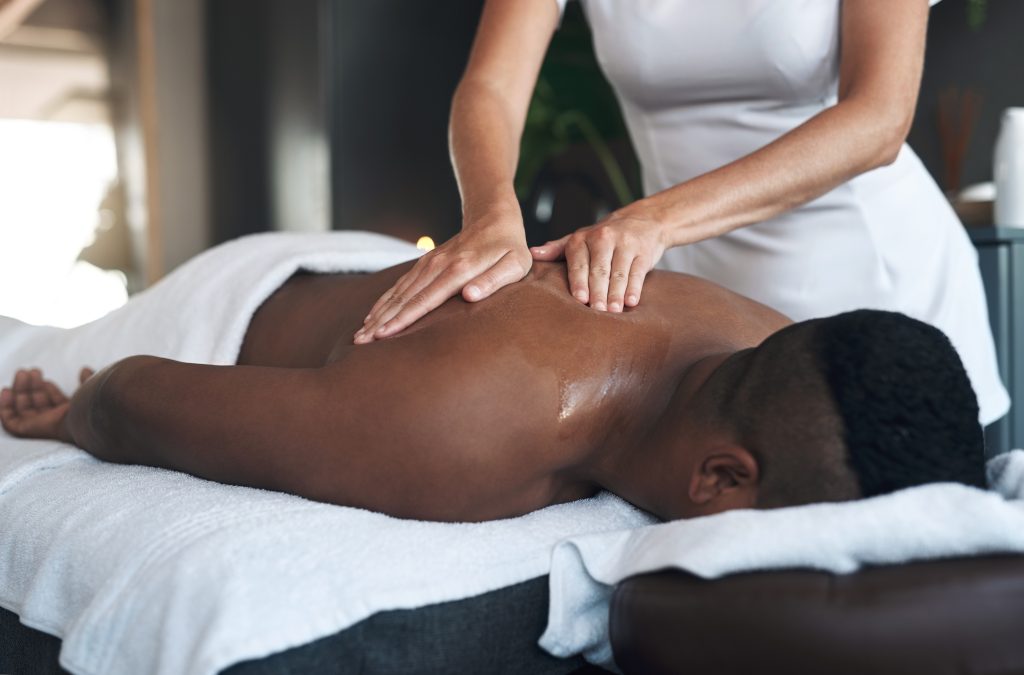
Acupuncture works beautifully on its own, yet pairing it with cupping often accelerates relief from stubborn shoulder tension. Cupping uses gentle suction to lift the tissue and fascia, drawing fresh blood into areas that have been congested and tight. That suction separates layers of tissue that have stuck together, which restores glide and eases the deep ache many people feel across the upper back. The marks cupping sometimes leaves are simply pooled blood being brought to the surface, and they fade within days. Patients frequently report that their shoulders feel open and free in a way no massage had achieved before. For tension packed in tight from days of travel, this lift can be remarkably satisfying.
Tui na, the therapeutic massage system of Chinese medicine, adds skilled hands on work that complements the needles. A trained practitioner uses pressing, kneading, and rolling techniques along the same meridians that acupuncture targets, working the tension out mechanically. Tui na warms the tissue, breaks up adhesions, and encourages Qi and Blood to move through the blocked channels in the neck and shoulders. It feels both firm and soothing, and it leaves the muscles noticeably softer and more pliable. Combined with acupuncture, it addresses the tightness from both inside the channel and outside on the surface. This layered approach is part of why our patients see lasting change rather than temporary relief.
Together these therapies form a complete plan for clearing shoulder tension after vacation rather than chasing it piece by piece. Acupuncture resets the muscle and the nervous system, cupping restores circulation and fascial movement, and tui na works the tissue with experienced hands. We tailor the combination to your body, your tension pattern, and your goals, so no two treatment plans look exactly alike. To learn more about how this therapy releases congested tissue, click here for our cupping therapy information. Bringing these methods together gives your shoulders the thorough attention a quick fix can never match. The result is a body that feels genuinely lighter and more open.
Why You Need Acupuncture for Shoulder Tension After Vacation
Shoulder tension that lingers after a trip is your body asking for real help, and ignoring it usually allows the pattern to deepen. Tension that goes untreated can pull on the neck, trigger headaches, limit your range of motion, and gradually wear on your daily comfort. Acupuncture offers a gentle, drug free path to relief that addresses the cause rather than masking the symptom. At Weng’s Acupuncture in Spring Valley, we combine classic Chinese medicine with decades of hands on experience to help your shoulders truly let go. Summer travel season is the perfect time to address tension before it settles in for good. The sections below explain how to begin and what you can expect.
Book Acupuncture for Lasting Relief From Shoulder Tension After Vacation
Taking the first step toward relief is far simpler than most people expect, and the payoff arrives quickly. Booking an appointment puts you in front of practitioners who understand exactly how travel affects the body and how to undo its effects. We start by listening to your story, examining where your tension sits, and identifying the channels involved in your particular pattern. From there we build a plan suited to your body rather than applying a one size approach to everyone. Many patients feel meaningful relief in their very first session, which makes the decision to start an easy one. The sooner you begin, the sooner your shoulders can return to their natural ease.
Acting promptly matters because tension tends to compound when it is left alone. A small knot that might clear in a session or two can spread into the neck and back if it is allowed to settle for months. Treating the tension while it is fresh from travel keeps the problem contained and shortens your road to relief. It also protects you from the secondary issues that chronic shoulder tightness can cause down the line. Choosing to address it now is an investment in how comfortable you feel through the rest of the year. Your future self will thank you for not waiting until the discomfort becomes severe.
Consistency turns short term relief into lasting change, which is why we guide you toward a sensible plan rather than a single visit. A focused series of treatments retrains the muscles and nervous system to hold a relaxed baseline again. We also share practical advice on posture, travel habits, and personal care so you can protect the progress you make. This partnership between treatment and daily habits is what keeps tension from creeping back after your next trip. Our goal is not just to relieve today’s tightness but to give you durable comfort. With a clear plan in place, you can travel without dreading the stiff shoulders that used to follow.
What to Expect From Acupuncture for Shoulder Tension After Vacation
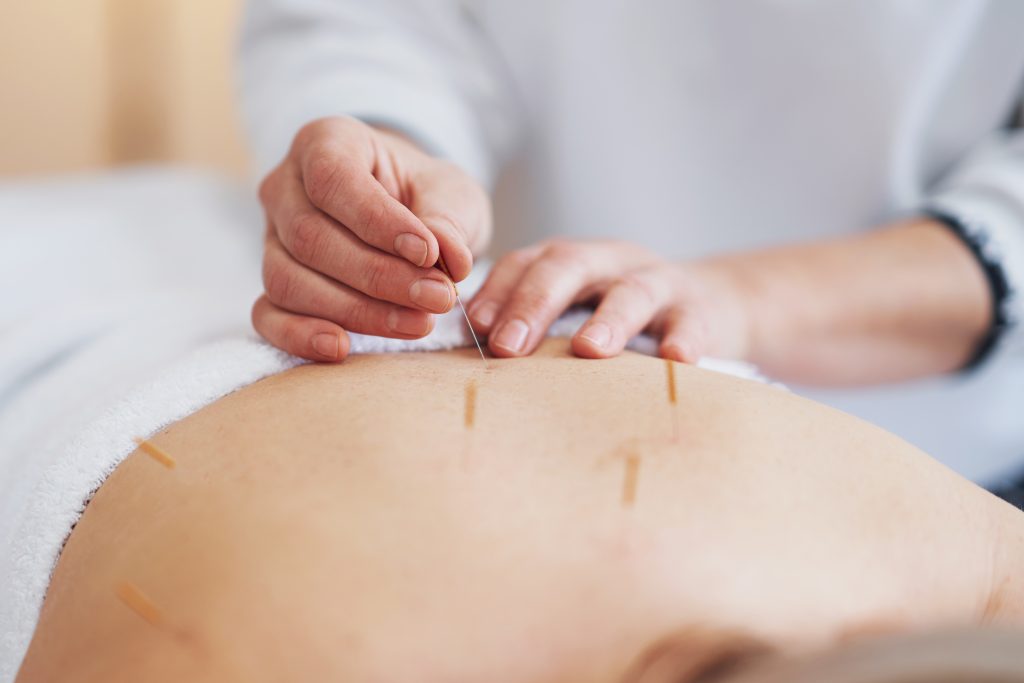
If you have never tried acupuncture, knowing what to expect makes the first visit comfortable and calm. The needles we use are extremely thin, far finer than the ones used for shots, so most people feel little more than a light tap or a gentle sensation. Once the needles are placed, you simply rest while they do their work, often for around twenty to thirty minutes. Many patients describe this time as deeply relaxing, and some drift into a peaceful sleep before the session ends. The experience is gentle, safe, and free of the side effects that come with many medications. There is nothing intimidating about it once you settle onto the table.
Your treatment may include more than needles, since we draw on the full toolkit of Chinese medicine to match your needs. Depending on your tension pattern, a session might combine acupuncture with cupping, tui na massage, or guidance on herbs and lifestyle. We explain every step as we go, so you always understand what we are doing and why it helps your shoulders. This thorough approach reflects the ethos at the heart of our clinic, where care is personal and never rushed. You leave each visit knowing exactly how to support your progress at home. The whole experience is built around your comfort and your results.
Results build naturally as your body responds to the treatment over time. Some patients feel a dramatic release right away, while others notice the tension easing steadily across a short series of visits. We track your progress together and adjust the plan as your shoulders improve, so the care always fits where you are. Most people are pleasantly surprised by how light and mobile their upper body feels after consistent treatment. Beyond the shoulders, many report better sleep, lower stress, and a steadier mood. That whole body benefit is one of the quiet gifts of this medicine.
Why Choose Weng’s Acupuncture for Shoulder Tension After Vacation
Weng’s Acupuncture brings three generations of knowledge to every patient who walks through our doors in Spring Valley. This depth of experience means we recognize travel related tension patterns quickly and know precisely how to resolve them. Our practitioners blend time honored Chinese medicine with a genuine commitment to your wellbeing, and that ethos shapes every appointment. We take the time to understand your body, your history, and your goals rather than treating you like a number on a schedule. That careful, personal attention is the foundation of the lasting results our patients describe. When you choose us, you choose a team that truly cares about how you feel.
We offer a complete range of natural therapies under one roof, which means your shoulder tension gets addressed from every angle. Acupuncture, cupping, tui na, herbal medicine, and thoughtful lifestyle guidance all work together in a plan tailored to you. This holistic approach helps you achieve harmony of mind, body, and spirit, not just temporary relief from one symptom. Our patients across Spring Valley, La Mesa, Bonita, and the greater San Diego area trust us to help them feel their best. We are proud to serve our community with the power of Traditional Chinese Medicine. Your comfort and your health are always our priority.
Ready to release the tension your vacation left behind? Our team is here to help your shoulders feel open, light, and at ease once more, and the first step is a simple phone call. Reach out to schedule your visit and discover how natural, time tested care can transform the way your body feels. You deserve to come home from your trips feeling genuinely refreshed rather than stiff and sore. Call Weng’s Acupuncture today at (619) 469-6327 to book your appointment and start your path to lasting relief. We look forward to welcoming you and helping your shoulders finally let go.