


How Acupuncture Supports the Body During Chemotherapy Treatment
Chemotherapy saves lives, but it also puts serious stress on the body. Nausea, fatigue, nerve pain, poor sleep, and low appetite are some of the most common side effects patients report. Acupuncture is a safe, drug free therapy that many cancer centers now recommend alongside conventional treatment. Research shows that acupuncture can reduce chemotherapy related nausea, ease neuropathy symptoms, and improve overall quality of life. It does not replace your oncology care; it supports it. At Weng’s Acupuncture in Spring Valley, we work with patients throughout San Diego County who want relief during one of the hardest seasons of their lives. Our clinic draws on three generations of Traditional Chinese Medicine knowledge. This article explains exactly how acupuncture supports the body during chemotherapy and what you can expect from treatment.
How Acupuncture Reduces Chemotherapy Side Effects Like Nausea, Fatigue, and Neuropathy
Chemotherapy drugs target fast growing cells, which is why they affect the digestive tract, nerves, and energy levels so strongly. Acupuncture works by stimulating specific points on the body that influence the nervous system, blood flow, and the release of natural pain relieving chemicals. Clinical studies, including trials reviewed by the National Institutes of Health, support acupuncture for chemotherapy induced nausea and vomiting. Evidence is also growing for its use in cancer related fatigue and peripheral neuropathy. Sessions are gentle, and needles are sterile, single use, and hair thin. Most patients find treatment deeply relaxing. Below, we break down the three side effects where acupuncture support during chemotherapy makes the biggest difference.
Acupuncture for Chemotherapy Nausea and Vomiting Relief
Nausea is one of the first side effects patients ask about, and it is the area where acupuncture has the strongest research behind it. The point known as PC6, located on the inner forearm, has been studied for decades for its effect on nausea and vomiting. Stimulating this point appears to calm signals between the brain and the stomach that trigger the vomiting reflex. Multiple clinical trials have found that patients who receive acupuncture alongside standard anti nausea medication report fewer episodes than patients using medication alone. This matters because uncontrolled nausea can lead to dehydration, weight loss, and missed treatment sessions. Acupuncture gives patients another tool without adding another drug to an already full medication list. Many patients schedule sessions in the day or two after an infusion, when nausea tends to peak. Consistent treatment through a full chemotherapy cycle often produces the best results.
Chemotherapy nausea is not only physical; anticipatory nausea is real and well documented. Some patients begin feeling sick before they even arrive at the infusion center because the brain has linked the environment with illness. Acupuncture helps here too, because treatment lowers stress hormones and calms the sympathetic nervous system. A calmer nervous system is less likely to fire off nausea signals in response to anxiety. Patients often describe leaving a session feeling settled in the stomach and clearer in the head. That relief can restore appetite, which is critical for keeping weight and strength up during treatment. Good nutrition supports recovery between infusion cycles. Acupuncture helps make eating possible again.
From a Traditional Chinese Medicine perspective, chemotherapy nausea reflects a disruption of the stomach’s natural downward energy flow. Practitioners select points on the arms, legs, and abdomen to restore that flow and settle digestion. Modern research and traditional theory point to the same outcome: less nausea and better tolerance of treatment. At Weng’s Acupuncture, we tailor each nausea protocol to the specific chemotherapy drugs a patient is receiving. Some regimens cause delayed nausea days after infusion, and we adjust timing accordingly. We also coordinate with what your oncology team has prescribed so nothing conflicts. Patients dealing with ongoing digestive upset can ask us about additional support during their visit. Struggling with treatment related nausea or appetite loss? Click here to learn about our acupuncture services.

Acupuncture for Chemotherapy Fatigue and Low Energy
Cancer related fatigue is different from ordinary tiredness, and rest alone often does not fix it. Patients describe a heavy, whole body exhaustion that makes daily tasks feel impossible. This fatigue comes from the combined burden of the disease, the drugs, disrupted sleep, anemia, and emotional stress. Acupuncture addresses several of these factors at once. Studies published in oncology journals have found meaningful reductions in fatigue scores among chemotherapy patients who received regular acupuncture. Treatment appears to improve sleep quality, regulate stress hormones, and support circulation. Better sleep and lower stress translate directly into more usable energy during the day. For many patients, that means being able to cook a meal, take a walk, or spend time with family again.
Traditional Chinese Medicine views chemotherapy fatigue as a depletion of the body’s qi, or vital energy, along with blood deficiency. Point selection for fatigue focuses on strengthening the digestive system, since digestion is how the body rebuilds energy from food. Points on the legs and abdomen, such as ST36, are commonly used and have been studied for their effects on energy and immune markers. Sessions for fatigue are gentle by design because a depleted body should never be overstimulated. Many patients fall asleep on the table, which is itself a sign the nervous system is shifting into recovery mode. Over a series of treatments, patients typically notice they crash less often in the afternoon. Energy returns gradually rather than all at once. Consistency across the full chemotherapy course is what produces lasting change.
Fatigue also has a strong emotional component that deserves attention. Depression and anxiety are common during cancer treatment, and both drain energy on their own. Acupuncture has documented calming effects on the nervous system, and many patients report improved mood alongside improved energy. Feeling less anxious makes sleep easier, and better sleep reduces fatigue; the benefits build on each other. Our practitioners also offer nutritional guidance to help patients get the most from every meal during treatment. Small dietary adjustments can make food easier to digest when the gut is irritated. We treat the whole person, not just a symptom list. That approach is what holistic care actually means.
Acupuncture for Chemotherapy Induced Neuropathy in Hands and Feet
Chemotherapy induced peripheral neuropathy affects a large share of patients receiving drugs like taxanes and platinum agents. Symptoms include tingling, numbness, burning, and stabbing pain in the hands and feet. For some patients, neuropathy becomes severe enough that oncologists must lower the chemotherapy dose, which no one wants. Acupuncture has emerged as one of the most promising supportive therapies for this problem. Studies from major cancer centers, including research at Memorial Sloan Kettering, have reported reduced neuropathy symptoms in patients receiving acupuncture. Treatment is believed to improve local blood flow to damaged nerves and modulate pain signaling in the spinal cord and brain. Patients often notice warmth returning to cold, numb feet after sessions. Earlier treatment generally produces better outcomes than waiting until symptoms are severe.
Neuropathy interferes with life in ways people do not expect until it happens. Buttoning a shirt, typing, walking on uneven ground, and even sensing hot water all become difficult or dangerous. Numb feet raise the risk of falls, especially for older patients. Addressing neuropathy is therefore a safety issue, not just a comfort issue. Acupuncture sessions for neuropathy focus on points along the affected limbs to stimulate nerve function and circulation. Some patients respond within a few sessions; others need a longer course before sensation improves. We track symptoms at every visit so patients can see their progress objectively. That record is also useful information to share with your oncology team.
Weng’s Acupuncture has a dedicated focus on this condition because we see how much it affects our patients in Spring Valley, La Mesa, El Cajon, and across San Diego. Our practitioners combine acupuncture with supportive techniques such as microcurrent therapy when appropriate. Every plan is customized to the patient’s chemotherapy schedule, symptom pattern, and overall constitution. We never ask patients to stop or change any medication; our care runs alongside conventional treatment. Communication with your medical team is always encouraged. Nerve symptoms that are caught early respond best, so do not wait until numbness spreads. Relief is possible, and it often comes faster than patients expect. Dealing with tingling or numbness from treatment? Click here to learn about our chemo induced neuropathy care.
How Traditional Chinese Medicine Supports Immune Health and Recovery During Chemotherapy
Chemotherapy weakens the immune system by lowering white blood cell counts, which leaves patients vulnerable to infection between treatment cycles. Traditional Chinese Medicine takes a systemic view of recovery, supporting digestion, sleep, circulation, and stress regulation so the body can rebuild itself. Acupuncture is the centerpiece, and some studies suggest it may support white blood cell recovery, though patients should view it as supportive rather than curative. Herbal medicine, dietary therapy, and gentle bodywork round out the toolkit. Every therapy we use during cancer treatment is chosen with safety first. Nothing is added without considering how it interacts with your chemotherapy regimen. This section explains how each piece of Traditional Chinese Medicine supports the body through the full course of treatment.
Acupuncture and Immune Function During Chemotherapy
The immune system takes a direct hit from most chemotherapy regimens because bone marrow cells divide quickly and the drugs cannot tell them apart from cancer cells. Low white blood cell counts, known as neutropenia, can delay treatment and force dose reductions. Some clinical research suggests acupuncture may help support immune cell activity during chemotherapy, including studies measuring white blood cell counts and natural killer cell function. The proposed mechanism involves the nervous system’s influence over bone marrow and the spleen. While this research is still developing, the safety profile of acupuncture makes it a reasonable addition for patients who want every available support. Sessions also lower cortisol, and chronically high cortisol is known to suppress immune function. Reducing stress is itself an immune strategy. Patients should always follow their oncologist’s guidance on infection precautions regardless of any supportive therapy.
Timing matters when supporting immunity during chemotherapy. Blood counts typically drop to their lowest point about seven to fourteen days after an infusion, a window called the nadir. We schedule treatments with this cycle in mind and follow strict hygiene protocols for immunocompromised patients. All needles are sterile and single use, and treatment rooms are cleaned between every patient. Patients with very low counts should check with their oncology team before any appointment, and we welcome that conversation. Our goal is to fit safely into your existing care plan. Many patients find that regular sessions through multiple cycles help them recover faster between infusions. Feeling stronger between cycles makes the whole course of treatment more bearable. That endurance is often what carries patients through to the finish.
Immune support in Traditional Chinese Medicine also involves protecting what practitioners call wei qi, the body’s defensive energy. Points along the arms and legs are selected to strengthen this protective layer. Lifestyle guidance matters just as much: adequate rest, warm easily digested foods, and stress reduction all support immune recovery. We teach patients simple self care practices they can use at home between visits. Gentle acupressure on key points gives patients a sense of agency during a time when so much feels out of their control. That psychological benefit should not be underestimated. Patients who feel actively involved in their recovery tend to cope better. Our practitioners are always available to answer questions between sessions.

Herbal Medicine Support During Chemotherapy Recovery
Chinese herbal medicine has been used for centuries to strengthen patients during serious illness, and it remains a valuable tool during chemotherapy recovery. Herbs are selected to support digestion, rebuild energy, nourish blood, and calm the mind. Formulas are always customized; there is no single herb prescription for every chemotherapy patient. Safety is the absolute priority because some herbs can interact with chemotherapy drugs or affect how the liver processes medication. For this reason, we carefully review every patient’s full drug list before recommending anything. In many cases, we advise waiting to use certain herbs until after an infusion window has passed. Responsible herbal practice during cancer treatment means knowing when not to prescribe. That restraint is part of the three generations of knowledge behind our clinic.
When herbs are appropriate, they can address problems that acupuncture alone reaches more slowly. Digestive formulas help patients absorb nutrients when the gut lining is irritated by treatment. Blood nourishing formulas support recovery when counts are rebuilding between cycles. Calming formulas can ease the anxiety and restless sleep that so often accompany a cancer diagnosis. Patients frequently tell us that a well matched formula helped them feel like themselves again. Herbal support is typically most useful in the recovery phase after chemotherapy ends, when the body is rebuilding without active drug interactions to consider. We reassess formulas regularly as symptoms change. Nothing stays static in cancer care, and neither do our prescriptions.
Transparency with your oncology team is a firm rule at our clinic. We encourage every patient to share their herbal formula with their oncologist, and we are happy to provide documentation of exactly what is in it. This open communication protects patients and builds trust between conventional and traditional medicine. It also reflects our belief that these systems work best together, not in competition. Our herbal pharmacy uses quality tested products from reputable suppliers. Patients never have to guess what they are taking or why. Curious how herbal formulas could support your recovery? Click here to learn about our herbal medicine services.
Acupuncture for Sleep, Anxiety, and Appetite During Chemotherapy
Sleep problems, anxiety, and appetite loss form a destructive cycle during chemotherapy. Anxiety makes sleep difficult; poor sleep worsens fatigue and mood; low mood suppresses appetite; and poor nutrition slows recovery. Acupuncture interrupts this cycle at multiple points at once. Treatment activates the parasympathetic nervous system, the branch responsible for rest and digestion. Patients commonly report their first good night of sleep in weeks after beginning regular sessions. Research on acupuncture for insomnia and anxiety in cancer patients has shown encouraging results in multiple trials. Better sleep improves pain tolerance, mood, and immune function all at once. Few interventions offer that kind of ripple effect.
Anxiety during cancer treatment is normal, and it deserves real support rather than dismissal. The uncertainty of scans, results, and treatment schedules keeps the nervous system on high alert for months. Acupuncture points on the ears, wrists, and scalp are frequently used to calm this hypervigilant state. Many patients describe the sensation during treatment as a wave of heaviness and calm spreading through the body. That state gives the mind a genuine break from worry, sometimes for the first time in weeks. Repeated sessions train the nervous system to access calm more easily on its own. Patients carry that skill into infusion days and waiting rooms. Emotional resilience is a treatment outcome we take seriously.
Appetite recovery deserves its own attention because nutrition determines how well the body tolerates ongoing treatment. Chemotherapy can alter taste, cause mouth sores, and make food smells unbearable. Acupuncture supports appetite by settling nausea, improving digestion, and reducing the stress that shuts hunger down. We pair treatment with practical nutritional guidance suited to a sensitive digestive system. Warm, soft, mildly flavored foods are usually easier to tolerate than cold or raw meals during treatment. Small frequent meals often work better than three large ones. Patients who maintain their weight through chemotherapy generally recover faster afterward. Every pound preserved is progress.
Why You Need Professional Acupuncture Support During Chemotherapy
Chemotherapy is hard enough without facing every side effect unsupported. Professional acupuncture care gives patients a safe, evidence supported way to reduce nausea, ease nerve pain, sleep better, and hold onto their strength. Major cancer centers across the country now include acupuncture in their integrative oncology programs for exactly these reasons. The key is working with a licensed practitioner who understands cancer care and communicates with your medical team. Self treatment and unqualified providers are risks no cancer patient should take. Here is what professional support looks like and why patients across San Diego County choose Weng’s Acupuncture.
What to Expect at an Acupuncture Appointment During Chemotherapy
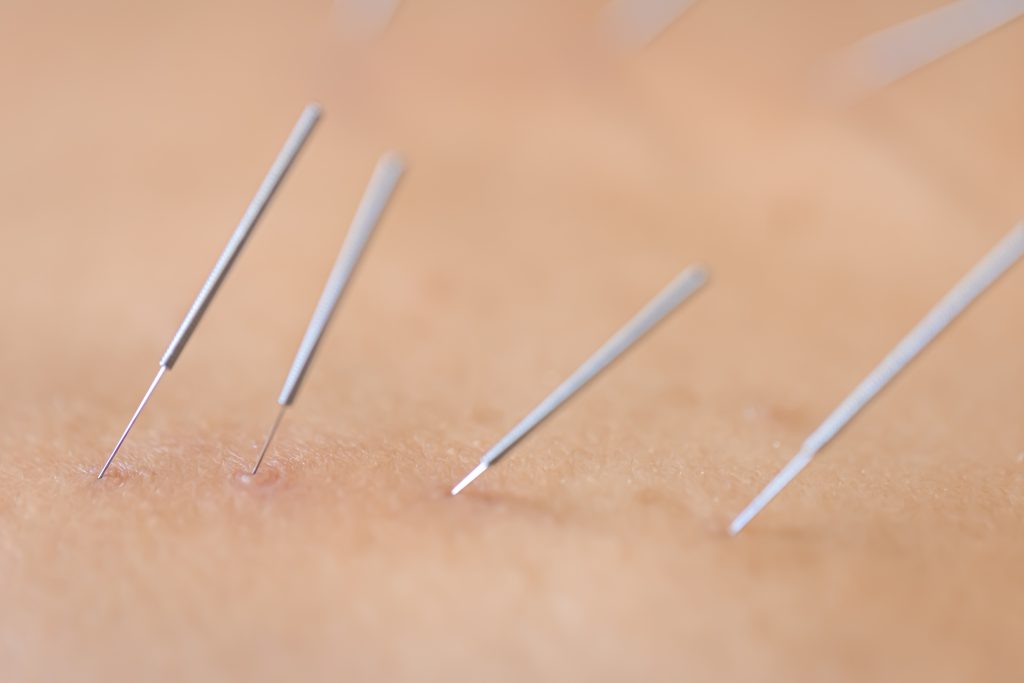
Your first acupuncture appointment during chemotherapy begins with a thorough intake. We review your diagnosis, treatment schedule, medications, blood counts, and every symptom you are experiencing. This information shapes a treatment plan built specifically for you. The session itself takes place in a quiet, comfortable room designed for rest. Hair thin sterile needles are placed at selected points, and most patients feel little more than a slight tap. You then rest for twenty to thirty minutes while the treatment works.
Most patients are surprised by how relaxing the experience is. Many fall asleep on the table, especially those who have been sleeping poorly at home. There is no downtime afterward; you can drive, work, or rest as you choose. Some patients feel improvement the same day, while others notice changes after several sessions. We track your symptoms at each visit so progress is measurable, not guesswork. Adjustments are made as your chemotherapy cycle and symptoms change.
Safety protocols are built into every appointment for patients in active treatment. We use gentle needling techniques appropriate for sensitive or immunocompromised patients. Areas affected by lymph node removal or ports are carefully avoided. We also monitor for any contraindications based on your current blood counts. Questions are welcome at every stage, and no concern is too small. You should leave every session feeling informed and cared for.
When to Start Acupuncture During Chemotherapy Treatment
The best time to start acupuncture during chemotherapy is as early as possible. Beginning before or at the start of treatment lets us establish a baseline and get ahead of side effects. Nausea and neuropathy are both easier to prevent than to reverse. Patients who start early often tolerate their full chemotherapy course with fewer dose delays. That consistency matters for treatment outcomes. Early support also builds coping skills before the hardest cycles arrive.
Starting mid treatment is still worthwhile, so no one should feel they missed their window. Patients often come to us after neuropathy or severe fatigue has already appeared. Symptoms that are addressed promptly respond far better than symptoms left to worsen for months. Even patients who finished chemotherapy long ago can benefit from care for lingering neuropathy and fatigue. Recovery support after treatment ends is one of our most requested services. It is never too late to feel better.
Frequency depends on your treatment schedule and symptom severity. Many patients do best with weekly sessions timed around their infusion cycle. Acute symptoms sometimes call for two visits in a week; stable recovery may need only two visits a month. We build the schedule around your life, your energy, and your oncology calendar. Insurance coverage for acupuncture is expanding, and our staff can help you check your benefits. Summer is also a practical time to start, since lighter schedules make consistent weekly care easier to maintain.
Why Choose Weng’s Acupuncture for Chemotherapy Support
Weng’s Acupuncture brings three generations of Traditional Chinese Medicine knowledge to every patient we treat. That depth of experience matters most in complex cases like cancer support, where safety and skill cannot be compromised. Our practitioners understand how to work alongside oncology care rather than around it. We take ethics seriously; we never make cure claims, and we never suggest replacing conventional treatment. What we promise is honest, careful, evidence informed support. Patients trust us because we earn it visit after visit.
Our clinic at 9972 Campo Rd in Spring Valley serves patients from La Mesa, El Cajon, Chula Vista, Santee, Lemon Grove, National City, Bonita, and greater San Diego. Beyond acupuncture, we offer herbal medicine, cupping, tui na, microcurrent therapy, and nutritional guidance under one roof. That range lets us build a truly complete support plan without sending you across town. Every therapy is coordinated so nothing conflicts with your medical treatment. One clinic, one plan, one team that knows your full story. Convenience matters when energy is limited.
Most of all, we treat people, not diagnoses. Our patients tell us they feel heard here in a way that busy medical settings cannot always provide. Time, attention, and genuine care are part of every appointment. Chemotherapy is a marathon, and you deserve steady support the whole way through. Call Weng’s Acupuncture today at (619) 469-6327 to schedule your first appointment. Harmony of mind, body, and spirit is possible, even during cancer treatment.