

Acupuncture for Neuropathy in Hands and Feet That Won’t Quit
Numbness in the toes that slowly creeps up the foot has a way of taking over daily life. Many people in Spring Valley live for years with burning, tingling, or a thick wooden feeling in the hands and feet before they look past medication. Peripheral neuropathy affects an estimated 20 million people in the United States, and diabetes remains the single most common cause. Acupuncture offers a different route, one that works on circulation, nerve signaling, and pain perception instead of only muting the sensation. At Weng’s Acupuncture, we treat neuropathy as a pattern with a history behind it, not one symptom to silence. This guide explains why nerve pain in the hands and feet lingers, what acupuncture actually does about it, and why the cooling months are a smart time to begin care.
Why Neuropathy in the Hands and Feet Refuses to Quit
Nerve pain that lasts for years is rarely stubborn by accident. There is usually an underlying driver still active in the background, along with a circulation problem that keeps injured tissue from healing. Most patients arrive after trying one or two medications, a nerve conduction study, and a lot of waiting. Understanding the mechanism changes the conversation from “make it stop” to “restore what feeds the nerve.” That shift is where meaningful progress tends to begin.
What Causes Neuropathy in the Hands and Feet
Nerves in the hands and feet sit at the far end of the body’s supply line. Blood travels the longest distance to reach them, and waste travels the longest distance back. When that supply drops even slightly, the smallest fibers suffer first, which is why symptoms almost always start in the toes and fingertips. Diabetes damages those fibers through prolonged high blood sugar, which stiffens capillary walls and starves the nerve of oxygen. Chemotherapy agents such as taxanes and platinum drugs injure nerve structure directly. Other causes include B12 deficiency, thyroid disease, kidney disease, alcohol use, spinal compression, and autoimmune conditions. A significant share of cases never receive a clear cause at all, which frustrates patients who want an explanation before they will accept a treatment plan.
Traditional Chinese Medicine describes the same problem in terms of movement rather than pathology reports. Qi and blood travel through channels that reach into every finger and every toe. When cold, dampness, or long standing deficiency slows that movement, the extremities lose nourishment and sensation changes. Classical texts group these presentations under Bi syndrome, a term for painful obstruction in the channels. Numbness usually points toward blood deficiency; burning points toward heat; heaviness and swelling point toward dampness. Each pattern calls for a different point selection and a different herbal strategy. That is why two patients with an identical medical diagnosis rarely receive identical treatment in our clinic.
The reason neuropathy keeps going is that damage and poor circulation feed each other. Injured nerves fire pain signals, pain restricts movement, reduced movement slows blood flow, and slower blood flow starves the nerve further. Medication interrupts the signal but leaves the loop running. Gabapentin, duloxetine, and similar prescriptions help many people function, though sedation, weight gain, and dizziness push some patients to look for added support. Acupuncture works on the circulation side of that loop instead. Better local blood flow gives nerve tissue the raw material it needs for repair, in cases where repair is still possible. Progress is usually gradual, measured across weeks, not days.

Common Symptoms of Neuropathy in the Hands and Feet
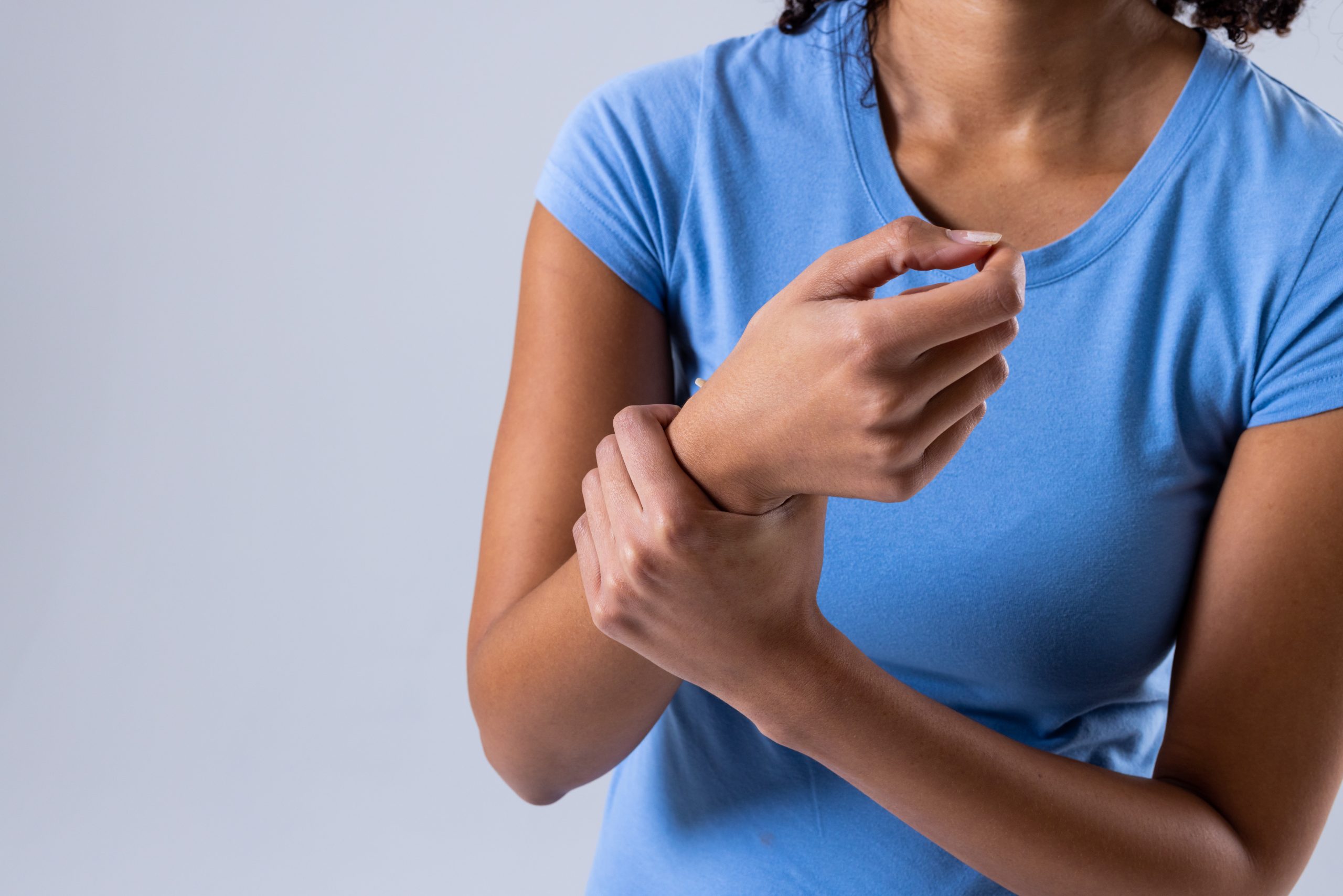
Neuropathy symptoms follow a recognizable pattern that clinicians call a stocking and glove distribution. Sensation changes begin symmetrically in both feet, then move upward toward the ankles and calves. Hands are typically affected later, starting in the fingertips. Patients describe burning, prickling, electric shocks, crawling sensations, or the feeling of walking on gravel. Some report the opposite problem entirely, a deadness so complete they cannot tell hot water from cold. Both extremes come from the same underlying fiber damage. Small fiber involvement produces burning and temperature loss, while large fiber involvement produces numbness and balance trouble.
Night is when most people notice how bad it has become. Distraction disappears, the body cools, and burning sensations intensify against the sheets. Sleep disruption then compounds everything, because pain thresholds drop when rest is poor. Many patients describe a cycle of three or four hours of sleep, daytime exhaustion, and worse symptoms the next evening. Anxiety and low mood commonly follow, and neither is a character flaw. Chronic pain reshapes the nervous system over time, making it more reactive to ordinary input. Addressing sleep early is one of the more effective ways to break that cycle.
Balance problems deserve particular attention. Feet that cannot feel the ground properly send incomplete information to the brain about position and pressure. Older adults with peripheral neuropathy fall at substantially higher rates than their peers, and a fall can change independence permanently. Foot ulcers are a second serious risk, especially for diabetic patients who cannot feel a blister forming inside a shoe. Daily foot inspection is not optional advice for these patients; it prevents amputations. Grip strength often declines alongside sensation, so dropped mugs and difficulty with buttons become part of the picture. Any of these signs warrants a full evaluation rather than a wait and see approach.
Why Fall Weather Aggravates Neuropathy in the Hands and Feet
Cooler weather has a real physiological effect on neuropathic symptoms. When ambient temperature drops, peripheral blood vessels constrict to preserve core body heat. That constriction reduces blood flow to exactly the tissue that already receives too little. Patients who felt tolerable through August often call us in October describing sharper burning and deeper numbness. Nothing new has gone wrong inside them; the environment simply removed a small buffer they were relying on. San Diego County evenings cool considerably once fall arrives, even though our days stay mild.
Activity levels also shift with the season. Shorter daylight hours mean fewer evening walks, and the calf muscle pump that helps push blood back up the legs runs less often. Sedentary weeks let fluid pool in the lower legs, which increases pressure on already compromised nerves. Holiday eating patterns raise blood sugar for many diabetic patients, and elevated glucose worsens nerve function within days. Stress rises in the final quarter of the year for plenty of households too. Cortisol interferes with sleep quality and inflammatory regulation, both of which affect pain intensity. The season stacks several small disadvantages on top of each other.
This is precisely why fall is a strategic time to begin treatment rather than a reason to postpone it. Starting a course of care now means the circulation benefits accumulate before deep winter. Warming techniques such as moxibustion are especially well suited to cold aggravated presentations, and we use them frequently in these months. Patients who begin in September and October usually enter January in noticeably better shape than those who wait until symptoms peak. Prevention costs less time and less money than crisis management. It also spares you weeks of avoidable discomfort. Living with nerve pain that will not settle? Click here to learn about our neuropathy treatment options.
How Acupuncture for Neuropathy in the Hands and Feet Works
Acupuncture is not a mystery treatment with no mechanism behind it. Needling stimulates specific tissue points, triggering local vasodilation, endorphin release, and changes in how the spinal cord and brain process pain signals. For neuropathy specifically, the circulation effect matters most. Improving microcirculation around damaged nerves supports the slow work of regeneration. Treatment plans are built around your pattern, your cause, and your response over the first several visits.
What Happens During an Acupuncture Session for Neuropathy in the Hands and Feet
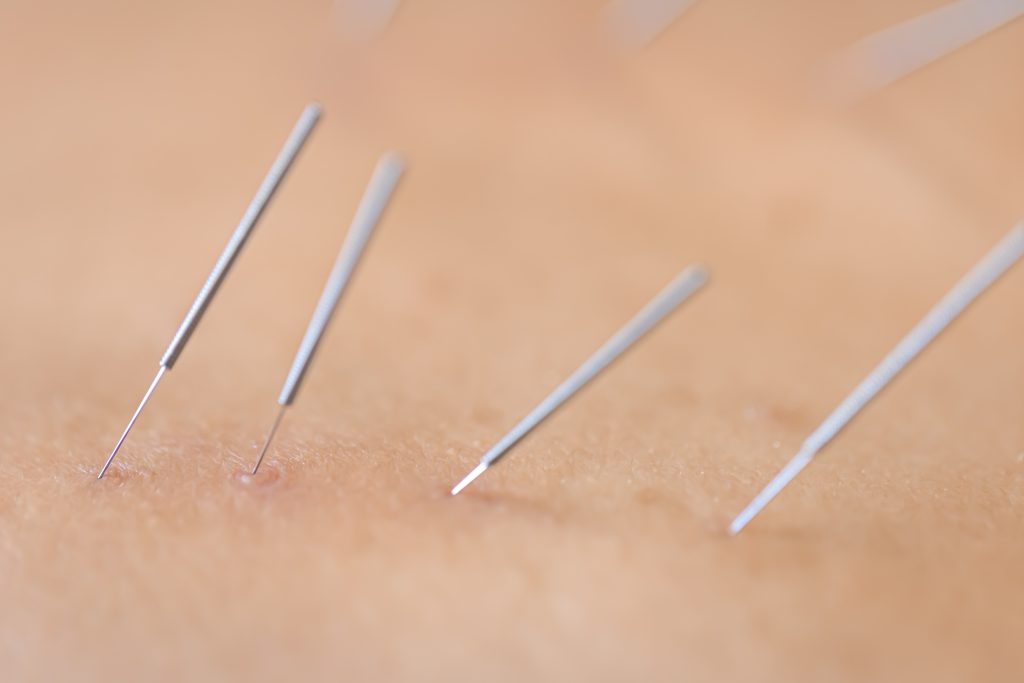
Your first appointment begins with a full intake rather than needles. We review your medical history, medications, blood work, sleep, digestion, and the exact character of your symptoms. Tongue and pulse examination follow, which give us information about circulation and internal patterns that lab tests do not capture. Only after that do we select points. Treatment for neuropathy commonly uses points along the affected channels of the arms and legs, plus distal points at the fingers and toes. We add points that address the root cause, such as spleen and kidney channel points for diabetic patterns. Needles are extremely fine, roughly the thickness of a human hair, and most patients feel a dull heaviness rather than sharp pain.
Sessions typically run 30 to 45 minutes with needles retained. Many neuropathy patients benefit from electroacupuncture, where a gentle current runs between needle pairs at a low frequency. Research on nerve regeneration suggests that low frequency electrical stimulation supports nerve growth factor activity, which is why we use it often for this condition. Moxibustion may be added, warming the feet and lower legs with burning mugwort held above the skin. That warmth is deeply comfortable for patients whose feet are always cold. We may also incorporate microcurrent therapy or Celluma LED therapy depending on your presentation. Sessions end with clear guidance about what to notice before your next visit.
Frequency matters more than most people realize. Neuropathy responds to consistency, and scattered monthly visits rarely produce lasting change. We generally recommend twice weekly treatment for the first three to four weeks, then taper as improvement holds. Most patients notice something within six to eight sessions, often better sleep or reduced night burning before daytime numbness shifts. Sensation returns slowly because peripheral nerves regenerate at roughly one millimeter per day under good conditions. Patients with recent onset symptoms tend to respond faster than those with 15 years of damage. We reassess at regular intervals and tell you honestly when we have reached the limit of what treatment can achieve.
What Research Says About Acupuncture for Neuropathy in the Hands and Feet
The evidence base for acupuncture in peripheral neuropathy has grown considerably over the past decade. Multiple randomized controlled trials have examined diabetic peripheral neuropathy, with several showing improvements in pain scores and nerve conduction velocity compared to usual care. A number of studies have measured objective changes rather than patient reported outcomes alone, which strengthens the findings. Chemotherapy induced peripheral neuropathy has also been studied, and results from trials at major cancer centers have been encouraging enough that several oncology programs now offer acupuncture as supportive care. Systematic reviews generally conclude that the evidence is promising while noting that study quality and sample sizes vary. We think honesty about that mixed picture serves patients better than overstatement.
Proposed mechanisms line up with what we observe clinically. Needling produces local vasodilation and increased microcirculation, measurable with laser Doppler imaging. It stimulates release of endogenous opioids and modulates descending pain inhibition pathways in the central nervous system. Animal research suggests electroacupuncture upregulates nerve growth factor and other neurotrophic signals involved in axonal repair. Anti inflammatory effects have been documented through reduced circulating inflammatory cytokines. None of this makes acupuncture a cure for nerve damage, and any practitioner promising that should be treated with skepticism. It does make acupuncture a reasonable and evidence supported part of a broader plan.
Realistic expectations produce better outcomes. Acupuncture works best alongside good medical management, not as a replacement for it. Diabetic patients still need blood sugar control, because ongoing hyperglycemia will keep damaging nerves regardless of what happens on our treatment table. Patients on gabapentin or duloxetine should continue those medications unless their prescribing physician advises otherwise, though many find they need lower doses over time. We coordinate willingly with your primary care physician, endocrinologist, or oncologist. Nerve damage that has progressed over decades may improve partially rather than completely. Partial improvement still means sleeping through the night, walking further, and feeling your grandchild’s hand in yours.
Herbal Medicine That Supports Acupuncture for Neuropathy in the Hands and Feet
Chinese herbal medicine has treated numbness and limb pain for well over a thousand years, and the formulas are far more targeted than most people assume. Huang Qi Gui Zhi Wu Wu Tang is a classical formula used for numbness and tingling in the extremities from qi and blood deficiency. Bu Yang Huan Wu Tang addresses blood stagnation with weakness, and modern research has examined its effects on circulation and nerve repair. Dang Gui Si Ni Tang suits patients whose hands and feet run cold and painful. Formulas are adjusted to your specific pattern and modified as your presentation changes. Weng’s carries a full pharmacy and three generations of formulation knowledge behind it.
Herbs work on a different timeline than acupuncture, generally requiring four to six weeks before clear effects appear. That slower action is a feature rather than a flaw, because herbs address underlying deficiency states that needles alone cannot fully correct. Consistency is essential, so we prepare formulas in granule or capsule form to make daily use realistic. Safety screening comes first at every visit. We review every prescription medication you take, because certain herbs interact with blood thinners, immunosuppressants, and diabetes medications. Patients undergoing active chemotherapy require particular care, and we coordinate with the oncology team before prescribing anything.
Nutrition plays a supporting role that deserves more attention than it usually receives. B vitamin status, particularly B12, directly affects nerve health, and deficiency is common in patients taking metformin long term. Alpha lipoic acid has reasonable evidence for diabetic neuropathy symptoms and is widely used in Europe for that purpose. Blood sugar stability throughout the day protects nerves better than any supplement. We offer nutritional guidance as part of comprehensive neuropathy care, built around what you actually eat rather than an idealized plan. Alcohol reduction matters greatly for patients whose neuropathy has any alcohol component. Small consistent changes compound across a treatment course.
Why You Should Start Neuropathy Treatment This Fall
Waiting rarely improves neuropathy. Nerve damage progresses in most untreated cases, and every additional month of poor circulation makes recovery harder. Starting treatment as temperatures drop means you build circulatory improvement before winter conditions make symptoms worse. Patients who begin in early fall typically report a meaningfully easier holiday season than those who postpone. The first step is simply a conversation about your case.
What to Expect at Your First Neuropathy Treatment Appointment
Your initial visit runs longer than follow up appointments, usually around 90 minutes. Bring your medication list, recent lab results, and any nerve conduction study reports you have. We ask detailed questions about symptom onset, daily patterns, and what makes things better or worse. Expect to discuss sleep, digestion, energy, and stress, because all of these connect to how your body handles nerve pain. You will receive treatment during that same visit, so nothing is wasted on paperwork alone.
Most patients are surprised by how comfortable the process is. Needles used in acupuncture bear no resemblance to hypodermic needles, and insertion is usually painless. Some points produce a heavy or spreading sensation that practitioners call de qi, which indicates the point is active. Patients frequently fall asleep during treatment, and many report feeling calmer for a day or two afterward. Mild soreness at needle sites occurs occasionally and resolves quickly.
Before you leave, we outline a proposed treatment course with a realistic timeline. That plan includes visit frequency, any herbal formula recommendations, and specific home practices. We set checkpoints so progress can be measured rather than guessed at. If you are not responding as expected, we adjust the approach or refer you elsewhere. Clear communication is part of the treatment.

Daily Habits That Support Your Neuropathy Treatment
Movement is the most powerful home practice available to you. Walking, even in short sessions spread across the day, activates the calf muscle pump and drives blood into the lower legs. Twenty minutes daily produces measurable circulatory benefit for most patients. Swimming and stationary cycling work well for anyone with balance concerns or foot ulcers. Consistency matters far more than intensity here.
Foot care protects everything else you are working toward. Inspect both feet daily, checking between the toes and along the soles for redness, blisters, or breaks in the skin. Wear properly fitted shoes with adequate room in the toe box, and never walk barefoot outdoors. Keep feet warm through fall and winter with wool socks, and test bath water temperature with your hand or elbow instead of your foot. Report any wound that is not healing within a few days.
Sleep and stress management round out the picture. Cool bedrooms help burning feet, and some patients do well with a light blanket that keeps pressure off the toes. Gentle stretching before bed reduces cramping for many people. Alcohol worsens neuropathy directly, and reducing intake often produces noticeable change within weeks. Blood sugar control remains the highest priority for diabetic patients, without exception.
Why Choose Weng’s Acupuncture for Neuropathy Treatment
Weng’s Acupuncture brings three generations of Traditional Chinese Medicine knowledge to every case we see. That depth matters with a condition like neuropathy, where pattern recognition separates effective treatment from generic point prescriptions. We combine acupuncture, herbal medicine, moxibustion, tui na, and modern modalities based on what your case actually requires. Our clinic at 9972 Campo Rd serves patients from Spring Valley, La Mesa, Chula Vista, El Cajon, Lemon Grove, National City, Bonita, and across San Diego County. Ethos guides how we practice, which means honest assessments and no promises we cannot keep.
We treat the full range of neuropathy causes rather than a narrow slice. Diabetic patients, chemotherapy patients, post surgical cases, and idiopathic presentations all receive individualized plans. Our practitioners coordinate with your physicians and respect the role of your existing medical care. You will always know what we are treating, why we selected a particular approach, and how we will measure progress. That transparency has built our reputation over decades.
Want to see the full range of conditions we treat? Click here to browse our conditions treated page. Neuropathy responds better to early intervention than to late rescue, and fall is the right moment to begin. Call Weng’s Acupuncture at (619) 469-6327 to schedule your evaluation, or email us at contact@wengsacupuncture.com with your questions. Your hands and feet have waited long enough for relief.