

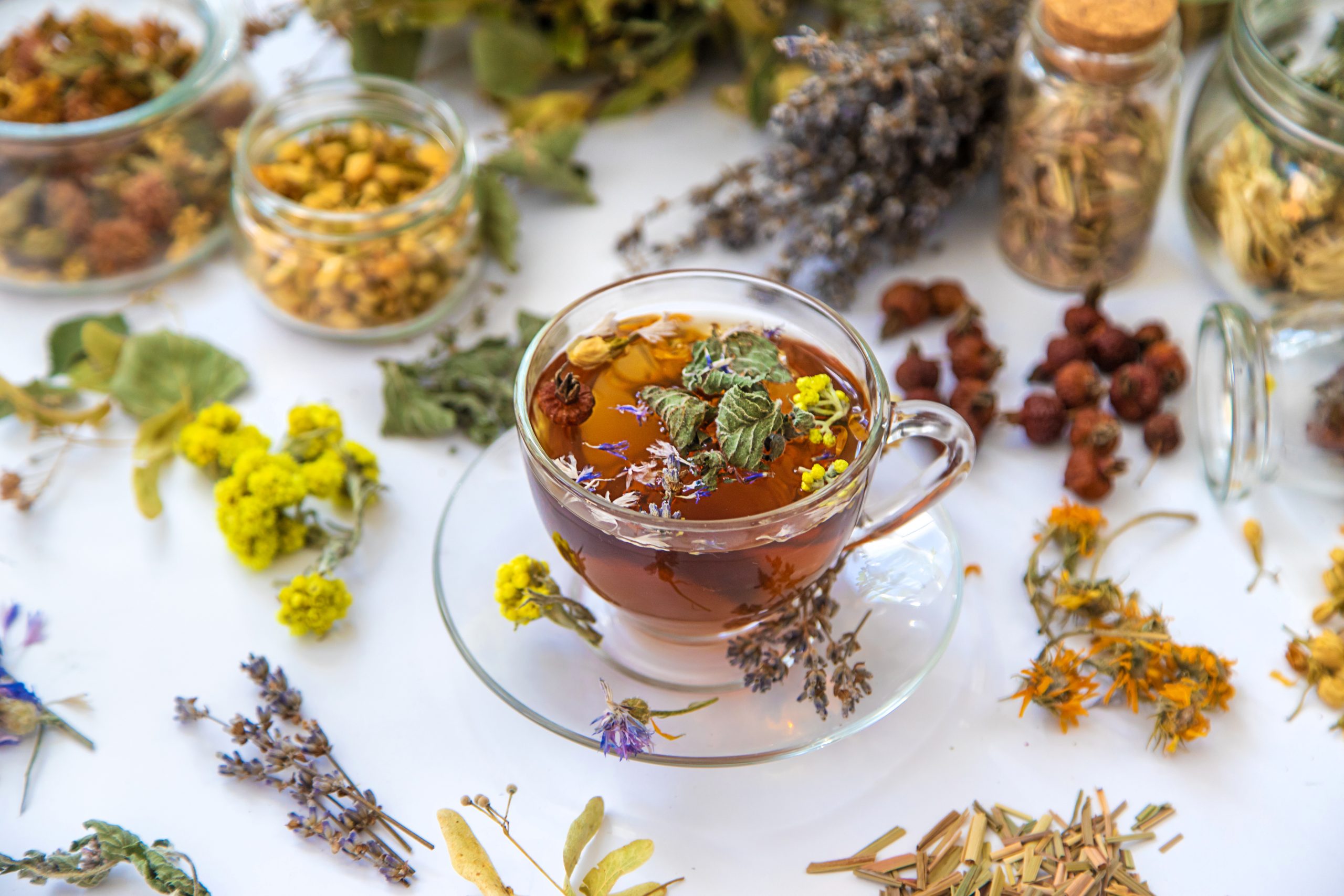
How to Naturally Boost Immunity Before Cold and Flu Season Peaks
September is the window that decides how your winter goes. Cold and flu season in San Diego County builds through late fall and peaks between December and February, which means the work you do now shapes how your body responds later. Traditional Chinese Medicine has treated seasonal illness for centuries, and the approach starts before symptoms appear. Acupuncture, herbal medicine, and simple daily habits work together to support the systems that fight infection. Your sleep, your digestion, and your stress load all factor into how well your immune system performs. Building resilience takes weeks, not days. Starting in early fall gives your body time to adjust before the first wave hits.
What Traditional Chinese Medicine Says About Immunity Before Cold and Flu Season
TCM describes a protective layer called Wei Qi, which circulates near the surface of the body and defends against outside pathogens. When Wei Qi is strong, you shrug off exposures that would flatten someone else. When it is weak, you catch every bug that moves through your office or your kid’s classroom. Modern research on acupuncture points to measurable effects on immune markers, including changes in white blood cell activity and inflammatory signaling. The TCM view also holds that digestion feeds immunity, since the Spleen and Stomach convert food into the energy that supports Wei Qi. Poor sleep, chronic stress, and irregular eating all drain that reserve. Fall is considered the season of the Lung in Chinese medicine, and the Lung governs Wei Qi directly. That makes September and October the natural time to focus on prevention.
How Acupuncture Supports Immunity Before Cold and Flu Season
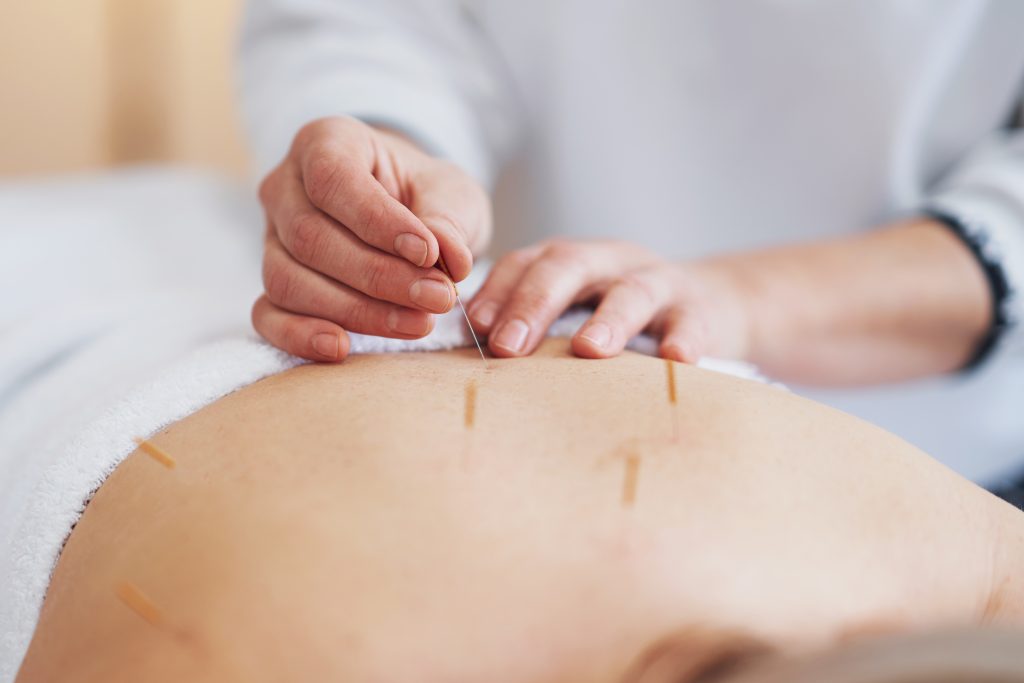
Acupuncture works by stimulating specific points that influence nerve signaling, circulation, and immune response. Studies have observed increases in natural killer cell activity and shifts in cytokine levels following treatment. These cells are part of your first line of defense against viral infection. Regular sessions during the fall help maintain that activity rather than waiting for a crash. Most patients who use acupuncture preventively come in every two to four weeks during the cold months. The points selected for immune support often sit along the upper back, forearms, and lower legs. Your practitioner adjusts the selection based on your constitution and your history of illness.
A common pattern we see is the person who gets sick three or four times each winter and assumes that is normal. It is not. Frequent illness usually signals an underlying imbalance, often involving digestion, sleep, or long-term stress. Acupuncture addresses those root patterns instead of just managing symptoms. Someone with chronic fatigue and poor appetite needs a different treatment plan than someone who runs hot and sleeps badly. That distinction matters because generic advice rarely produces lasting change. A practitioner trained in pattern diagnosis can tell the difference in a single visit.
Timing also matters more than people expect. Starting acupuncture in September gives your system six to eight weeks before local respiratory illness rates climb. That lead time allows the cumulative effects of treatment to take hold. Waiting until you already feel run down means you are treating a deficit rather than building a reserve. Patients who commit to a fall schedule frequently report fewer sick days and faster recovery when they do catch something. The goal is not to make you immune to every virus; it is to shorten and soften the episodes. Curious about how acupuncture works? Click here to learn more about our acupuncture services.
How Chinese Herbal Medicine Supports Immunity Before Cold and Flu Season
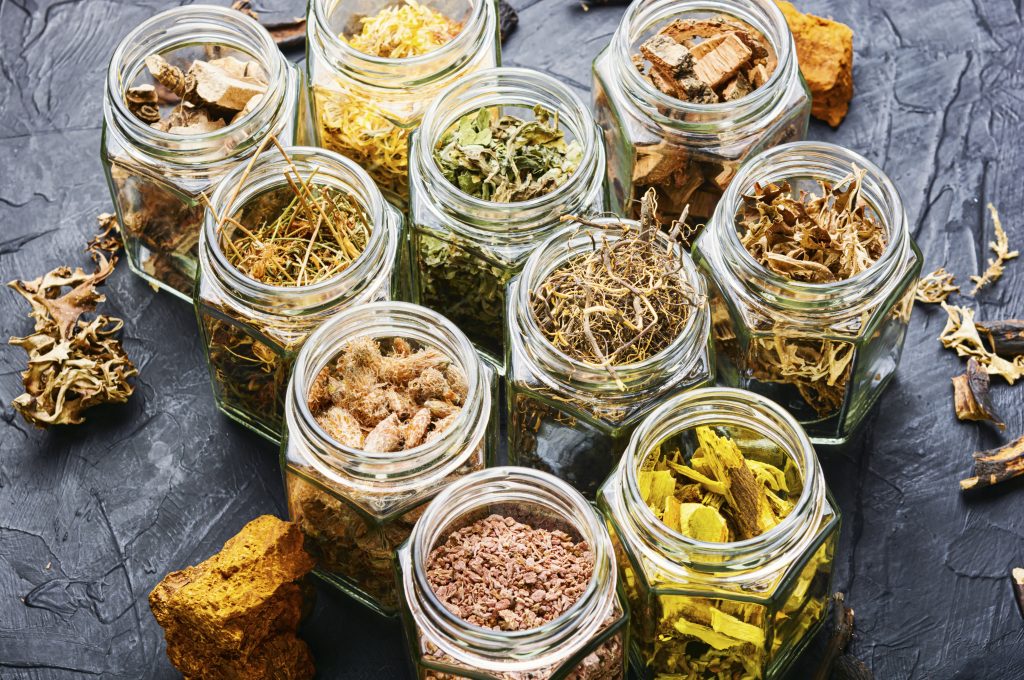
Chinese herbal formulas have been used for immune support far longer than any modern supplement. Formulas like Yu Ping Feng San, often translated as Jade Windscreen Powder, were designed specifically to strengthen the body’s defensive layer. It combines astragalus, white atractylodes, and siler in a ratio meant to build resistance without creating stagnation. Astragalus in particular has been studied for its effects on immune cell function. The formula is taken over weeks, not as a single dose when symptoms start. That prevention-first structure is what separates herbal medicine from most over-the-counter remedies.
Herbs are not one-size-fits-all, and this is where self-prescribing goes wrong. A formula that helps one person can aggravate another, depending on their underlying pattern. Someone with signs of heat needs different herbs than someone who runs cold and tires easily. A trained herbalist evaluates your tongue, your pulse, and your symptom history before recommending anything. That evaluation prevents the common mistake of taking a warming formula when your body needs the opposite. Quality also matters, since sourcing and preparation vary widely across suppliers.
Herbal medicine also serves a second role once illness does arrive. Different formulas address the early stages of a cold, the transition to deeper congestion, and the lingering cough that hangs on afterward. Knowing which formula fits which stage can meaningfully shorten how long you feel bad. Many patients keep an acute formula on hand so they can start it within the first day of symptoms. That early intervention often keeps a minor cold from turning into a two-week ordeal. Your practitioner can prepare both a preventive formula and an acute one during the same visit. Want to explore herbal options? Click here for our herbal medicine services.
How Daily Habits Support Immunity Before Cold and Flu Season
Sleep is the single largest lever most people have, and it is the one most often ignored. Research consistently links short sleep duration to higher rates of respiratory infection after exposure. Adults who sleep under six hours per night get sick significantly more often than those who sleep seven or more. TCM frames this the same way, describing nighttime as when Yin restores and repairs. Going to bed before 11 PM aligns with that rhythm and produces noticeably better results than sleeping the same hours later. Consistency beats duration when the two compete. A regular schedule trains your body to use the sleep it gets.
Food choices shift naturally in fall, and TCM encourages that shift. Cooked, warm foods are easier to digest than raw salads and cold smoothies, which take more energy to process. Soups, stews, congee, and roasted root vegetables support digestion during cooler months. Ginger, garlic, scallion, and cinnamon all have warming properties that suit the season. Reducing cold drinks and iced beverages helps more than people expect. The principle is simple: give your digestion less work so it has more capacity to support immunity elsewhere.
Stress management belongs in this conversation, though it is often treated as separate. Chronic stress elevates cortisol, which suppresses immune function over time. That is not a TCM concept; it is well documented in conventional research. Practices like qigong, walking, and controlled breathing lower that load without requiring hours of your day. Even ten minutes of consistent breathing practice produces measurable changes in nervous system activity. Keeping your neck and upper back covered in cool weather also matters in TCM, since wind is considered a primary entry point for pathogens.
What to Do When Cold and Flu Season Symptoms Start
Prevention reduces how often you get sick, but it does not eliminate every illness. Knowing how to respond in the first 24 hours changes the trajectory. TCM distinguishes between different types of early-stage illness, and the treatment differs for each. A cold with chills and body aches calls for a different approach than one with sore throat and fever. Acting quickly, before the illness settles deeper, produces the best outcomes. That first day is when intervention has the most leverage.
Recognizing Early Cold and Flu Season Symptoms
The earliest signs are often subtle and easy to dismiss. A slight scratchiness in the throat, mild chills, unusual fatigue, or a stiff neck can all signal that something is beginning. TCM pays close attention to these initial markers because they indicate where the pathogen sits and how deep it has traveled. Chills that improve with warmth suggest one pattern; a sore throat with thirst suggests another. Learning to notice your own early signals takes practice but pays off repeatedly. Most people can identify their personal pattern after one or two seasons of paying attention.
Pushing through early symptoms is the most common mistake. Going to the gym, staying up late, or powering through a work deadline while your body signals distress usually extends the illness. TCM would describe this as depleting the resources your body needs to mount a defense. Rest during the first day often prevents days of illness later. That tradeoff is worth making even when your schedule resists it. A single afternoon of rest costs less than a week of feeling terrible.
Certain symptoms warrant medical evaluation rather than home care. High fever that persists, difficulty breathing, chest pain, or symptoms that worsen after initial improvement all require a physician. Acupuncture and herbal medicine work alongside conventional care, not in place of it. A responsible practitioner will tell you when something falls outside their scope. Weng’s Acupuncture takes that boundary seriously and refers out when appropriate.
Using Acupuncture During Cold and Flu Season Illness
Acupuncture during an active cold serves a different purpose than preventive treatment. Point selection shifts toward releasing the exterior, easing congestion, and reducing the intensity of symptoms. Points along the upper back and hands are commonly used for early-stage respiratory illness. Many patients report that a treatment on day one or two noticeably shortens the illness. The mechanism likely involves both immune modulation and direct effects on inflammation and circulation.
Sinus congestion responds particularly well to acupuncture. Points around the face, hands, and forearms can reduce pressure and improve drainage within a session. For people prone to sinus infections after every cold, this intervention matters. Repeated courses of antibiotics for recurring sinusitis carry their own costs. Addressing the congestion early reduces how often it progresses to that point. Dealing with recurring sinus problems? Click here for our sinusitis treatment information.
The lingering cough that outlasts a cold is another common reason people come in. That post-viral cough can persist for weeks and disrupt sleep. TCM treats it as residual pathogen combined with depleted Lung Qi, and treatment addresses both. Acupuncture combined with a suitable herbal formula usually resolves it faster than waiting it out. Patients dealing with long COVID symptoms often present with similar patterns of persistent fatigue and respiratory involvement. Those cases benefit from a longer treatment course and careful reassessment along the way.
Building Recovery After Cold and Flu Season Illness
Recovery is the phase most people skip entirely. Feeling better is not the same as being fully restored, and returning to full activity too fast invites a relapse. TCM emphasizes rebuilding Qi after illness, particularly after a fever or a prolonged infection. That rebuilding phase typically takes one to two weeks depending on severity. Gentle activity, warm cooked food, and adequate sleep support the process. Skipping it is why some people cycle through repeated illnesses all winter.
Digestion is often weakened after illness, especially if you took antibiotics or had a fever. Heavy, greasy, or cold foods strain a system that is already compromised. Congee, broths, and simply prepared vegetables give your digestion room to recover. This is not a permanent diet, just a short bridge back to normal eating. Most people feel the difference within a few days of adjusting.
Post-illness acupuncture focuses on tonifying rather than clearing. The treatment goal shifts from fighting the pathogen to rebuilding reserves. One or two sessions during recovery often prevent the next illness from taking hold. This is where preventive and acute care connect into a single ongoing approach. Patients who follow through with recovery care tend to have quieter winters overall.
Why You Should Start Immune Support Before Cold and Flu Season Peaks
The best time to build immunity was last month; the second best time is today. Waiting until December means starting from behind while illness is already circulating. Six to eight weeks of consistent support puts you in a much stronger position when exposure rates climb. Weng’s Acupuncture has helped patients across Spring Valley, La Mesa, and Chula Vista prepare for winter for years. Our approach combines acupuncture, herbal medicine, and practical guidance tailored to your constitution. That combination produces better results than any single piece alone.
Starting Cold and Flu Season Prevention at the Right Time
September and October are the ideal months to begin. Local respiratory illness rates in San Diego County typically start climbing in November and peak after the holidays. Beginning now means your treatment plan is established before that rise. A typical preventive schedule involves an initial evaluation followed by sessions every two to four weeks. Herbal formulas are usually taken daily throughout the season.
Your first visit includes a full intake covering your health history, sleep, digestion, and stress patterns. Tongue and pulse diagnosis provide additional information that shapes the treatment plan. This assessment identifies why you get sick as often as you do, not just that you do. Two people with the same complaint often need very different treatments. That individualization is central to how Traditional Chinese Medicine works.
Cost and time both matter when planning a season of care. Preventive visits spaced every few weeks fit into most schedules without difficulty. Compare that to the time lost to three or four illnesses across a winter. Most patients find the tradeoff clearly favors prevention. Ready to get started? Click here to see the full range of conditions we treat.

Combining Services for Cold and Flu Season Support
Acupuncture and herbal medicine reinforce each other. Acupuncture provides immediate regulation, while herbs supply ongoing daily support between visits. Using both typically produces stronger and more durable results than either alone. Your practitioner determines the right balance based on your presentation and your schedule. Some patients rely more heavily on herbs; others respond better to frequent acupuncture.
Additional therapies can support respiratory health during the season. Cupping helps release tension in the upper back and chest, an area associated with Lung function in TCM. Many patients find it useful during periods of congestion or after a lingering cough. Tui na, a form of Chinese therapeutic bodywork, addresses the neck and shoulder tension that often accompanies illness.
Nutritional guidance ties the whole plan together. Small, seasonally appropriate changes to what you eat support everything else you are doing. Our practitioners provide specific recommendations rather than general advice. Those adjustments often produce noticeable results within a couple of weeks. Diet is the piece you control every single day, which makes it worth getting right.
Why Choose Weng’s Acupuncture for Cold and Flu Season Immune Support
Weng’s Acupuncture brings three generations of Traditional Chinese Medicine knowledge to every patient. That depth of experience shapes how we diagnose, how we build formulas, and how we adjust treatment over time. Our practitioners have worked with respiratory conditions across the full range, from seasonal colds to COPD and long COVID. That background means we recognize patterns quickly and treat accordingly.
We serve patients throughout Spring Valley, La Mesa, Lemon Grove, Bonita, National City, El Cajon, Santee, Chula Vista, and San Diego. Our clinic at 9972 Campo Rd offers acupuncture, custom herbal medicine, cupping, tui na, microcurrent therapy, and nutritional guidance under one roof. Having those options available means your treatment plan can adapt as the season progresses. We also coordinate with your other providers when that serves your care.
Our commitment is to honest, individualized care built on real diagnosis rather than templates. We tell patients what we can help with and what falls outside our scope. Fall is the right time to build the reserve that carries you through winter, and the sooner you start, the better positioned you will be. Call Weng’s Acupuncture at (619) 469-6327 to schedule your immune support consultation, or email us at contact@wengsacupuncture.com to ask about getting started this season.