What Cupping Therapy Marks Really Mean for Your Body
Cupping therapy leaves behind circular marks that often surprise people who see them for the first time. These round discolorations appear on the skin after a session and can range from light pink to deep purple. Many patients worry these marks indicate bruising or injury, but they actually tell a meaningful story about what is happening inside the body. The marks are part of how Traditional Chinese Medicine practitioners gauge internal conditions like stagnation, inflammation, and circulation issues. Understanding what these marks mean helps you appreciate the healing process and track your progress over multiple sessions. At Weng’s Acupuncture in Spring Valley, our cupping treatments are designed to release tension, improve blood flow, and restore balance throughout the body.
Understanding the Science Behind Cupping Therapy Marks
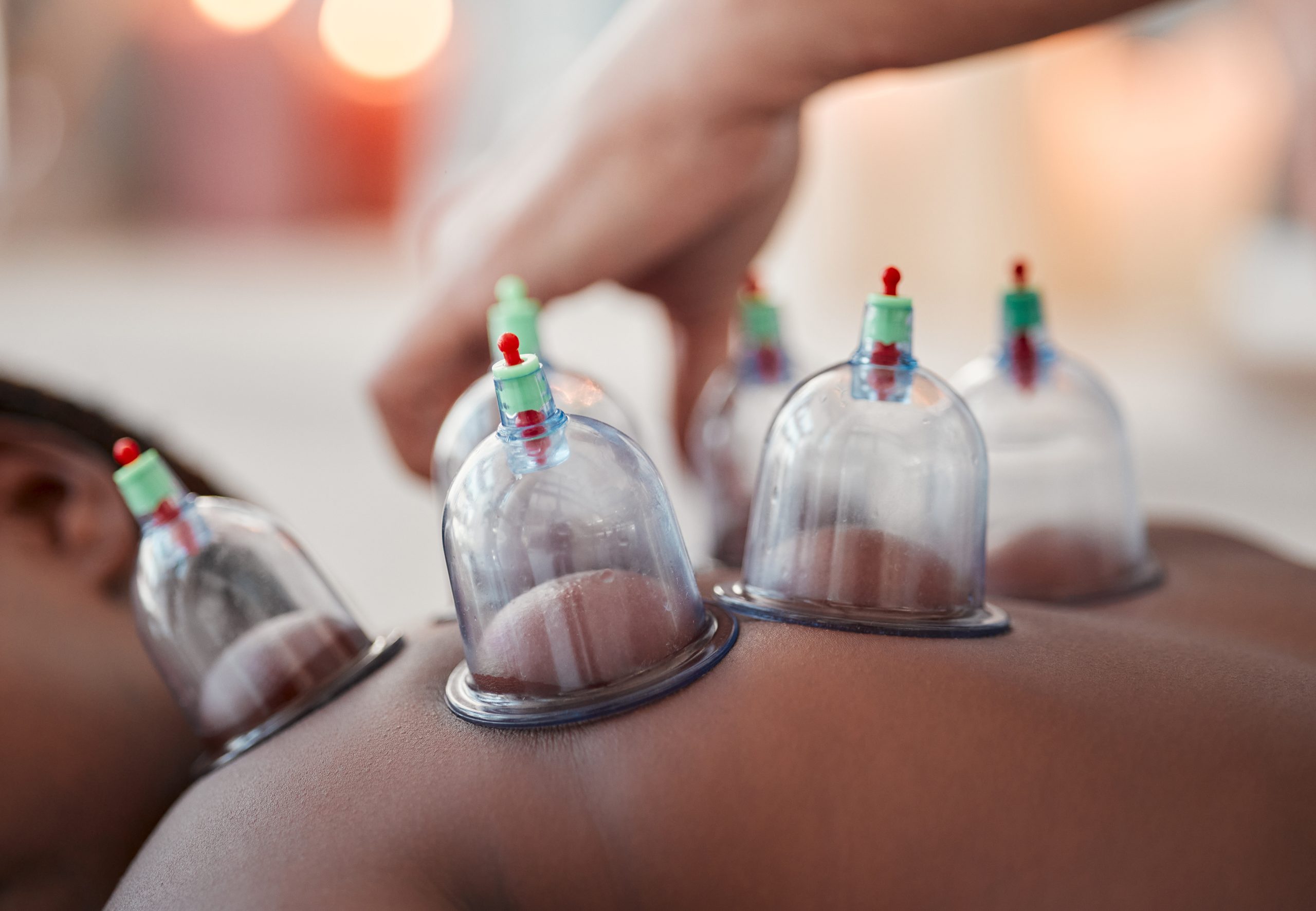
Cupping marks form when suction pulls blood and other fluids toward the surface of the skin during treatment. The cups create a vacuum effect that lifts the tissue, drawing stagnant blood out of deeper layers and into the capillaries near the surface. This process is called petechiae, and it differs from a typical bruise caused by trauma. The color, intensity, and location of the marks give practitioners valuable insight into what is happening beneath the skin. Lighter marks usually mean good circulation, while darker marks point to stagnation or toxins that need to be released. Each session provides a visual record of how your body is responding to treatment.
The Color of Cupping Therapy Marks Explains Your Health
The shade of a cupping mark reveals important information about the state of your tissues and circulation. Light pink or faint red marks typically suggest healthy circulation with minimal stagnation present in that area of the body. These lighter colors often appear in patients who exercise regularly, hydrate well, and have fewer chronic issues. When marks fade quickly within a day or two, it usually means the body is processing and clearing waste efficiently. Practitioners take note of these patterns to confirm that the treatment plan is working as intended. Patients who maintain a healthy lifestyle often notice their marks become lighter over time. This shift signals improved internal balance and reduced toxin buildup.
Darker red or purple marks suggest deeper levels of blood stagnation, often linked to chronic pain, muscle tension, or inflammation in the area. These colors appear most often in patients dealing with long-standing issues like back pain, shoulder tightness, or fibromyalgia. The deeper the color, the more stagnation the body has been holding onto in that specific region. Dark marks do not mean harm; instead, they show that the treatment is pulling out what the body needed to release. Practitioners use these readings to adjust pressure, duration, and placement during future sessions. Over several treatments, these darker marks typically lighten as circulation improves and stagnation clears. This gradual change reflects real healing progress at a cellular level.
Black or very dark marks sometimes appear in areas with significant blood stasis or long-term toxin accumulation. These marks are less common and usually appear in patients who have not addressed underlying health concerns for many years. While the color may look alarming, it actually represents a powerful release of stored waste from deep tissues. The body then works to flush these toxins through the lymphatic system and bloodstream. Hydration, rest, and follow-up sessions help speed up this clearing process. Patients often report feeling significantly better after these intense releases, even when the marks look intense. Working with a skilled practitioner ensures the body is supported through this deeper detoxification.

How Cupping Therapy Marks Indicate Internal Conditions
Different areas of the body produce different marks based on what is happening internally at the time of treatment. Marks on the upper back often relate to respiratory issues, stress, or shoulder tension that has built up over time. The lower back tends to show marks connected to kidney function, fatigue, or chronic lumbar pain. Practitioners map these patterns to identify which organ systems or muscle groups need the most attention. This approach follows Traditional Chinese Medicine principles, where the body is viewed as an interconnected system. Reading the marks gives a clearer picture than symptoms alone can provide. Each session becomes a diagnostic tool as well as a treatment.
Marks that appear quickly and darken during the session often indicate acute stagnation that has been building beneath the surface. Patients dealing with recent injuries, intense workouts, or stressful periods tend to show these rapid color changes. The body essentially uses the cupping session to dump what it has been storing in those tissues. Quick darkening tells the practitioner to focus on that area in future treatments. It also confirms that the patient will likely feel significant relief once the session ends. Many people report better sleep, reduced pain, and improved mood after these intense releases. Tracking these patterns helps build a personalized treatment plan over time.
Marks that take longer to develop or remain pale may suggest qi deficiency rather than stagnation in Traditional Chinese Medicine terms. Qi deficiency means the body lacks the vital energy needed to push blood and fluids through the tissues effectively. These patients often feel tired, cold, or weak even when no specific injury is present. In these cases, cupping is combined with herbal medicine, nutritional guidance, and acupuncture to build up internal reserves. The goal is to strengthen the body so that future sessions produce stronger responses. Pale marks are not a failure; they are simply a starting point for deeper restorative work. Need cupping therapy in Spring Valley? Click here for our cupping therapy service.
Why Cupping Therapy Marks Are Not Bruises
Many people mistake cupping marks for bruises because they share a similar appearance on the skin. However, bruises form from blunt force trauma that breaks blood vessels through impact and damage. Cupping marks form through gentle suction that draws stagnant blood and fluids toward the surface without causing tissue injury. The skin underneath remains intact, and there is no swelling, tenderness, or pain associated with the marks. Most patients feel relief, lightness, or warmth in the treated area immediately after the session. The difference becomes clear when you touch the marks; they feel like normal skin, not sore tissue. This distinction is important for understanding what cupping actually does to the body.
Bruises heal through inflammation, swelling, and slow reabsorption of blood that pooled from damaged vessels. Cupping marks fade through the body’s natural circulatory and lymphatic processes without any inflammatory response. Most marks disappear within three to seven days, depending on the depth of stagnation and the patient’s overall health. Some lighter marks fade within hours of the session ending. The body essentially uses the marks as a checkpoint, processing the released material and restoring balance. No special care is needed beyond staying hydrated and avoiding extreme temperatures right after treatment. This natural fading process is one reason cupping has been used safely for thousands of years.
Cupping marks also serve a therapeutic purpose that bruises cannot match. As the marks fade, fresh blood and oxygen flood the treated area, promoting tissue repair and reducing inflammation. This rush of circulation is what makes cupping so effective for chronic pain, muscle tightness, and respiratory issues. The marks essentially trigger a healing response that continues working long after the cups are removed. Patients often notice improvements in flexibility, energy, and pain levels in the days following a session. Repeated treatments build on these benefits, creating cumulative improvements over time. This is why cupping is often recommended as part of an ongoing wellness plan.
Common Questions About Cupping Therapy Marks and Aftercare
Patients often have questions about how to care for their skin after a cupping session and what to expect during the healing process. The marks themselves require very little maintenance, but a few simple steps help the body process the released toxins efficiently. Staying hydrated is one of the most important things you can do after treatment. Avoiding extreme heat, cold, and harsh chemicals on the skin also supports faster recovery. Most patients can return to normal activities immediately, though strenuous exercise is best avoided for the rest of the day. Understanding these basics makes the experience more comfortable and effective.
How Long Cupping Therapy Marks Last on the Skin
Most cupping marks fade within three to seven days, though some lighter ones disappear within hours of the session. The exact timeline depends on the depth of stagnation, your circulation, and how well you hydrate after treatment. Patients with strong circulation and active lifestyles tend to see faster fading than those with chronic conditions or sedentary habits. Drinking plenty of water helps flush released toxins through the kidneys and lymphatic system more quickly. Gentle movement like walking or stretching also encourages circulation and speeds up the process. Avoiding alcohol and processed foods for a day or two supports the body’s natural detox response. These small adjustments make a noticeable difference in how quickly marks resolve.
Darker marks from areas of deep stagnation may take longer to fade, sometimes lasting up to two weeks. This is completely normal and indicates that significant release occurred during the session. The body is working through layers of stored waste that took time to accumulate, so it also takes time to clear. Patience is key during this phase, and follow-up sessions help maintain progress without overwhelming the system. Some patients schedule treatments every one to two weeks to allow full recovery between sessions. Others come in more frequently for acute issues like sports injuries or respiratory problems. Your practitioner will recommend a schedule based on your specific needs and goals.
Repeated cupping sessions in the same area typically produce lighter marks over time as stagnation clears and circulation improves. This progression is one of the clearest signs that the treatment is working at a foundational level. Patients who commit to a series of sessions often see dramatic changes in how their body responds. Chronic pain decreases, energy levels rise, and overall vitality improves as internal balance is restored. The marks become a kind of progress report, showing how the body is healing from the inside out. Tracking these changes with your practitioner helps fine-tune the treatment plan for maximum benefit. This collaborative approach is at the heart of effective Traditional Chinese Medicine.

What to Do After Getting Cupping Therapy Marks
After a cupping session, the most important thing to do is drink plenty of water to help your body process the released toxins. Aim for at least eight to ten glasses of water in the twenty-four hours following treatment. Herbal teas and broths also support hydration and provide additional nutrients that aid recovery. Avoid caffeine, alcohol, and sugary drinks during this period, as they can slow down the detoxification process. Eating light, nutrient-dense meals helps the body focus its energy on healing rather than digestion. Soups, steamed vegetables, and lean proteins are excellent choices in the days following a session. These small dietary adjustments amplify the benefits of the treatment.
Keep the treated area covered and warm for several hours after the session to prevent cold or wind from entering the open pores. Traditional Chinese Medicine teaches that the body is more vulnerable to external pathogens immediately after cupping. Wearing loose, comfortable clothing helps the skin breathe while still providing protection. Avoid hot tubs, saunas, and ice baths for at least twenty-four hours, as extreme temperatures can shock the system. A warm shower is fine, but skip vigorous scrubbing or harsh soaps on the marked areas. Gentle moisturizers with natural ingredients can soothe the skin if it feels slightly tender. These simple precautions support the healing process and prevent setbacks.
Pay attention to how your body responds in the days following treatment and communicate any concerns with your practitioner. Most patients feel a sense of relief, lightness, and improved mobility almost immediately. Some experience mild fatigue as the body processes released toxins, which is a normal part of the healing response. Rest, sleep, and gentle movement are the best ways to support this phase. If you have questions or notice unusual symptoms, your practitioner can offer guidance and adjust the treatment plan as needed. Want to learn more about our holistic services? Click here for our conditions treated page.
Combining Cupping Therapy with Other TCM Treatments
Cupping therapy works exceptionally well when combined with other Traditional Chinese Medicine treatments like acupuncture, herbal medicine, and Tui Na massage. Each modality addresses different aspects of health, and together they create a comprehensive approach to wellness. Acupuncture targets energy pathways and organ function, while cupping focuses on circulation and muscle tension. Herbal medicine supports internal balance from within, addressing root causes that surface-level treatments cannot reach. Tui Na adds therapeutic touch that releases deep muscle restrictions and improves joint mobility. This integrated approach is what makes Traditional Chinese Medicine so effective for chronic conditions. Many patients find that combining therapies accelerates their progress significantly.
For patients dealing with chronic pain, the combination of cupping and acupuncture often produces faster results than either treatment alone. Cupping releases muscle tension and improves blood flow, while acupuncture calms the nervous system and reduces inflammation. Together, they address both the physical and energetic components of pain. Conditions like back pain, sciatica, fibromyalgia, and arthritis respond particularly well to this combined approach. Patients often report reduced reliance on pain medications after several sessions. The cumulative effect of regular treatments builds resilience and supports long-term recovery. This is why many of our patients commit to ongoing care rather than seeking one-time relief.
Respiratory and digestive issues also benefit from combining cupping with other Traditional Chinese Medicine treatments. Cupping on the upper back helps clear congestion, ease asthma symptoms, and support lung function. Herbal formulas address underlying imbalances that contribute to chronic respiratory or digestive problems. Acupuncture regulates the immune system and reduces inflammation in affected organs. Together, these treatments offer relief that goes beyond what conventional approaches typically provide. Patients with conditions like sinusitis, bronchitis, IBS, and gastritis often see significant improvements through this integrated care. Working with experienced practitioners ensures each treatment is tailored to your specific needs.
Why You Need Professional Cupping Therapy at Weng’s Acupuncture
Choosing a qualified practitioner for cupping therapy makes a significant difference in both safety and results. Untrained providers can cause unnecessary discomfort, improper marking, or even skin damage if cups are placed incorrectly. At Weng’s Acupuncture, our practitioners bring decades of experience and three generations of Traditional Chinese Medicine knowledge to every session. We understand how to read the body, adjust pressure, and place cups in ways that maximize benefits while minimizing discomfort. Our approach is gentle, thorough, and tailored to each patient’s unique needs. This level of care is what sets professional cupping apart from generic spa treatments.
The Benefits of Professional Cupping Therapy Sessions
Professional cupping therapy offers benefits that extend far beyond the immediate relief of muscle tension. Regular sessions improve circulation, reduce chronic pain, and support the body’s natural detoxification processes. Many patients notice better sleep, increased energy, and improved digestion after consistent treatment. The improved blood flow helps deliver oxygen and nutrients to tissues that have been deprived for years. This nourishment supports healing at a cellular level, addressing root causes rather than just symptoms. Over time, patients often find they need fewer medications and experience fewer flare-ups of chronic conditions. These long-term benefits make cupping a valuable part of any wellness plan.
Cupping is especially effective for patients dealing with chronic pain conditions that have not responded well to conventional treatments. Back pain, shoulder tension, neck stiffness, and sciatica all benefit from the increased circulation and muscle release that cupping provides. Athletes use cupping to recover from intense training, prevent injuries, and improve performance. Office workers find relief from the tension and stiffness caused by long hours at a desk. Patients with fibromyalgia or arthritis often experience significant pain reduction after a series of sessions. The non-invasive nature of cupping makes it suitable for people of all ages and fitness levels. This versatility is one reason cupping has remained popular for thousands of years.
Beyond pain relief, cupping supports emotional and mental wellness as well. The deep relaxation that occurs during a session helps reduce stress, anxiety, and tension that builds up in the body. Many patients describe feeling lighter, calmer, and more grounded after treatment. This mind-body connection is central to Traditional Chinese Medicine and contributes to overall vitality. Combining cupping with acupuncture amplifies these calming effects, making it an excellent option for those dealing with stress-related conditions. Regular sessions create a rhythm of self-care that supports both physical and emotional health.

What Makes a Quality Cupping Therapy Practitioner
A skilled cupping practitioner brings more than technical knowledge to each session. They understand how to read the body, identify areas of stagnation, and adjust treatment based on individual needs. Proper training in Traditional Chinese Medicine is essential, as cupping is most effective when integrated with broader TCM principles. Experience matters too, especially when working with chronic conditions or sensitive patients. A quality practitioner takes time to listen, ask questions, and explain what to expect during and after treatment. This personalized approach builds trust and ensures the best possible outcomes.
Safety is another hallmark of professional cupping therapy. Sterile equipment, proper hygiene, and careful technique prevent any risk of infection or skin damage. Practitioners should always assess your health history, current medications, and any contraindications before beginning treatment. Pregnant women, patients on blood thinners, and those with certain skin conditions may need adjusted protocols. A qualified practitioner knows when to proceed, when to modify, and when to refer out for additional care. These safety measures protect patients and build confidence in the treatment process.
Communication is the final piece of quality cupping care. Patients should feel comfortable asking questions, sharing concerns, and providing feedback throughout the session. A good practitioner explains what the marks mean, how to care for the skin afterward, and what to expect in the days following treatment. They also adjust pressure, duration, and cup placement based on patient comfort and response. This collaborative approach makes each session more effective and enjoyable. Building a long-term relationship with a trusted practitioner allows for deeper, more meaningful healing over time.
Why Choose Weng’s Acupuncture for Cupping Therapy
Weng’s Acupuncture brings three generations of Traditional Chinese Medicine expertise to every cupping session we provide. Our practitioners are deeply trained in the art and science of TCM, with decades of combined experience treating patients of all ages and conditions. We take time to understand your health goals, medical history, and lifestyle before designing a personalized treatment plan. This thorough approach ensures that every session contributes meaningfully to your overall wellness. Our Spring Valley clinic serves patients throughout San Diego County, including Bonita, La Mesa, Chula Vista, and surrounding areas.
We combine cupping with other TCM modalities like acupuncture, herbal medicine, and nutritional guidance for a truly holistic experience. This integrated approach addresses both immediate symptoms and underlying imbalances, creating lasting improvements in health. Our patients appreciate the calm, welcoming environment of our clinic and the genuine care our team provides. We believe that healing is a partnership, and we work alongside you every step of the way. Whether you are dealing with chronic pain, stress, or a specific health condition, we are here to help you find balance and vitality.
Ready to experience the benefits of professional cupping therapy in Spring Valley? Contact Weng’s Acupuncture today at (619) 469-6327 to schedule your appointment. Our friendly team will answer your questions, walk you through what to expect, and help you take the first step toward better health. You can also learn more about our cupping therapy services on our website. We look forward to welcoming you to our clinic and supporting your journey toward holistic wellness.